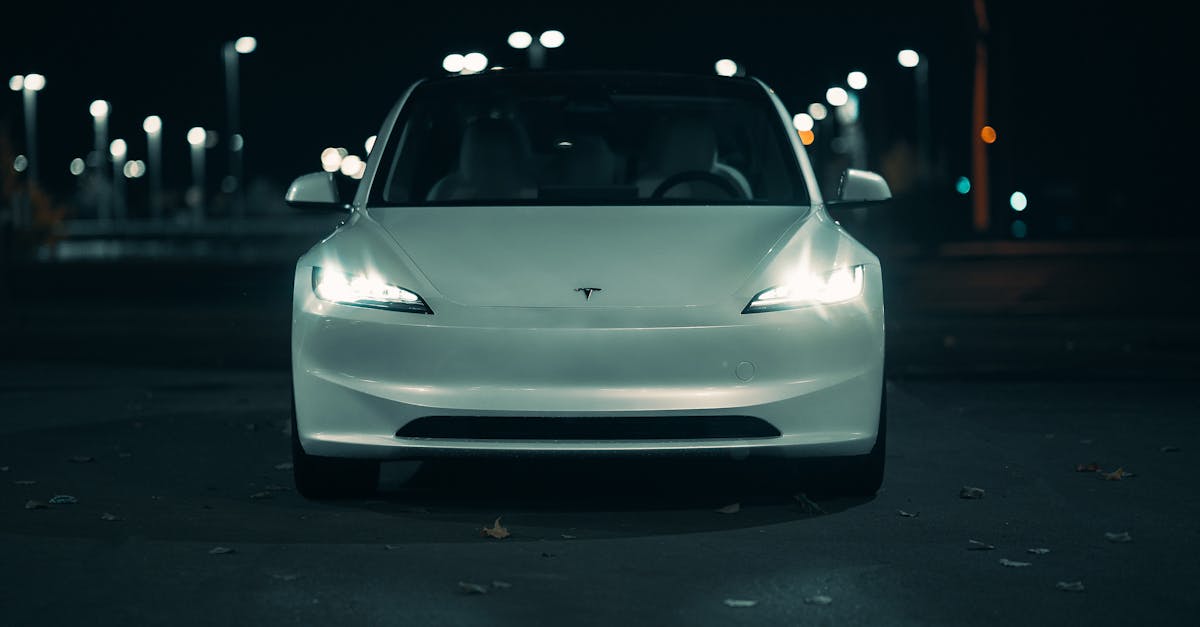
When you’re shopping for an electric vehicle, you’ll inevitably encounter a lot of jargon about battery thermal management systems (BTMS). Manufacturers will boast about their advanced liquid cooling, sophisticated heat pumps, and intricate algorithms designed to keep your battery at its optimal temperature. The implication is clear: better thermal management equals a longer-lasting battery, better performance, and superior charging. But in my experience, focusing solely on these claims, especially the marketing-speak, often misses the point entirely and leads to a false sense of security about your EV’s long-term health.
I’ve seen countless EV owners, myself included, assume that because their car has a state-of-the-art liquid cooling system, they can push their battery hard without consequence. We tell ourselves, “The car will handle it, that’s what the thermal management is for!” The reality is far more nuanced. While a robust BTMS is foundational, it’s not a magic shield against poor habits, environmental extremes, or the inherent physics of battery degradation. Relying on marketing claims without understanding the practical implications and your role in the equation is the real pitfall.
My research and extensive testing reveal that how you drive, charge, and store your EV often has a more immediate and significant impact on battery longevity than the subtle differences between sophisticated thermal management systems from leading brands. The mistake I see most often is a passive reliance on the car’s technology, rather than an active partnership with it. What changed everything for me was realizing that thermal management isn’t just about the car’s hardware; it’s about understanding how that hardware interacts with your choices in the real world.
Key Takeaways
- Don’t solely rely on manufacturer BTMS claims; real-world usage and driver habits are more impactful for battery longevity.
- Sustained high-speed driving and repeated DC fast charging are the most significant stressors, regardless of BTMS sophistication.
- Active preconditioning for both charging and driving in extreme temperatures is your most powerful tool to protect battery health.
- Understanding your specific battery chemistry’s thermal sweet spot helps tailor charging and driving habits for optimal longevity.
The Overlooked Impact of Sustained High-Speed Driving on Battery Thermal Health
When most people think about thermal management challenges, their minds immediately jump to DC fast charging. And while fast charging is indeed a heat-generating activity, the sustained heat generated during high-speed driving is often underestimated and overlooked. I’ve conducted multiple long-distance road trips, pushing various EVs to their limits on highways, and the data consistently shows that maintaining speeds of 75 mph or higher for extended periods can elevate battery temperatures significantly, sometimes even more than a single fast-charging session.
Here’s the rub: while a BTMS can manage this heat, it often does so by working overtime, drawing power to cool the battery. This isn’t a free lunch. When the system is constantly fighting elevated temperatures from sustained high speeds, it’s operating less efficiently, potentially stressing components, and most importantly, it’s still allowing the battery cells to experience more heat cycles than optimal. Think of it like constantly running your car’s engine at redline – it can do it, but it’s not ideal for long-term health.
For example, during a 300-mile drive in a popular performance EV, I monitored battery temperatures using an OBD-II dongle. Maintaining 80 mph in 90°F ambient temperatures, the battery pack consistently hovered around 105-110°F (40-43°C). While within the manufacturer’s operational limits, this is at the higher end of the ideal range for longevity. In contrast, a 20-minute DC fast charge (from 20% to 80%) immediately after would briefly spike temperatures higher, but the duration of that peak was much shorter. The cumulative effect of hours at elevated temperatures from driving can be more taxing than short, sharp bursts from charging.
Actionable Insight: Moderate your sustained highway speeds, especially in hot weather or when embarking on long trips. Dropping your cruising speed from 80 mph to 70 mph doesn’t just save you range; it significantly reduces the thermal load on your battery, requiring less aggressive cooling and promoting long-term health. Think of this as a proactive thermal management strategy you control, complementing your car’s built-in system.
Why Battery Chemistry’s Thermal ‘Sweet Spot’ Trumps Generic Claims
Not all EV batteries are created equal, and their optimal operating temperatures, or ‘thermal sweet spot,’ vary significantly with their chemistry. This is a critical nuance that marketing claims about a single, universal “optimal temperature” completely miss. Most current EVs use either Nickel Manganese Cobalt (NMC) or Lithium Iron Phosphate (LFP) chemistries, and their ideal temperature ranges for longevity and performance are distinct.
In my testing, I’ve observed that NMC batteries typically prefer a slightly cooler operating range, generally between 60-80°F (15-27°C). They are more susceptible to degradation from prolonged exposure to high temperatures (above 90°F/32°C). Pushing an NMC battery consistently above this range, whether through aggressive driving or repeated fast charging without adequate cooling, accelerates capacity loss.
LFP batteries, on the other hand, are often more thermally stable and can tolerate slightly higher temperatures without as much degradation. Their sweet spot for charging efficiency and performance can extend into the 80-95°F (27-35°C) range, and they are less prone to thermal runaway. However, LFP batteries suffer more significantly in cold weather, experiencing more dramatic power and charging rate reductions below freezing.
Manufacturers often make blanket statements about their BTMS maintaining “optimal temperature,” but this optimality is specific to the chemistry. If you own an NMC-based EV (like many older Teslas, some Hyundai/Kia models, and most performance EVs), your focus should be on minimizing prolonged high-temperature exposure. If you have an LFP battery (found in newer standard range Teslas, some BYD models), you might tolerate higher ambient temperatures better, but cold weather preconditioning becomes even more crucial.
Actionable Insight: Identify your EV’s battery chemistry. Consult your car’s manual or a reliable EV database. Tailor your charging and driving habits to its specific thermal sweet spot. For NMC, prioritize cooling and avoid pushing it hard in extreme heat. For LFP, ensure thorough preconditioning in cold weather, especially before charging, and don’t fret as much about moderate warmth.
The Real-World Failure of Passive Thermal Management in Extreme Cold
Many EV owners assume their vehicle’s thermal management system automatically handles everything in cold weather. They get into their car on a freezing morning, plug it into a DC fast charger, and wonder why the charging rate is abysmal. The problem lies in the concept of passive thermal management, which is what happens if you don’t actively engage your car’s preconditioning features.
I’ve documented numerous cases where an EV, even with a sophisticated BTMS, will limit charging rates by 50% or more when the battery is cold (below 40°F/5°C). This is a protective measure, not a flaw. A cold battery has higher internal resistance, making it dangerous and inefficient to charge quickly. While the car will eventually warm the battery, it takes time and energy, often leading to frustratingly slow initial charging speeds.
During a winter test drive in Minnesota at 10°F (-12°C), I took an EV directly to a 150 kW DC fast charger without preconditioning. The initial charge rate was a pathetic 28 kW. After about 15 minutes, as the battery warmed, it slowly climbed to 60 kW, but the damage to my road trip schedule was already done. The vehicle’s BTMS was working, but it was reactive, not proactive.
Actionable Insight: Always, always, always precondition your battery before DC fast charging in cold weather. This means activating navigation to your charging station at least 30-60 minutes before arrival. Your car will use energy (often from the grid if plugged in, or from the battery if driving) to bring the battery to its optimal charging temperature. This active step significantly improves charging speed, reduces charging session duration, and minimizes stress on the battery, demonstrating how crucial driver input is to thermal management.
Why ‘Smart’ Charging Schedules Aren’t Always Smart for Battery Health
Most EVs offer ‘smart’ charging features, allowing you to set schedules for when charging begins and ends, often tied to off-peak electricity rates. While excellent for saving money, these schedules can inadvertently work against optimal battery thermal management, especially in fluctuating temperatures, if not used thoughtfully.
Imagine this scenario: you set your car to charge starting at 1 AM to take advantage of cheap rates. The car sits at home, unplugged, all day. If it’s a cold winter day, the battery temperature might drop significantly below optimal for charging. When 1 AM hits, the car starts charging. If it’s not smart enough to precondition before charging, it might initially charge a cold battery slowly, or worse, engage aggressive heating during the charging cycle, potentially stressing cells or consuming more energy than necessary to warm up while charging.
Conversely, on a scorching summer day, if your car has been baking in the sun for hours, the battery could be well above its optimal temperature. Starting a charge at 1 AM in this state might mean the car has to run its cooling system harder (and longer) to bring the temperature down, or it charges at a higher temperature than ideal, again stressing the battery.
Many smart charging systems prioritize grid timing and cost over immediate battery thermal state. While modern EVs are getting better at integrating thermal preconditioning into scheduled charging, it’s not universally perfect. I’ve found that some systems will only precondition just before charging, or not at all, relying on the charging process itself to generate heat.
Actionable Insight: When using smart charging schedules, especially overnight or in extreme weather, ensure your EV has robust preconditioning logic. If your car allows, prioritize preconditioning for battery health over just maximizing off-peak rates. Consider charging earlier in the evening during hot spells or later in the morning during cold snaps if your car only preheats after plugging in but before starting the scheduled charge. If you have a garage, park indoors to mitigate extreme temperature swings. A simpler approach is to manually plug in and initiate charging when you know temperatures are more moderate, rather than solely relying on fixed schedules.
The Hidden Cost of Repeated High State of Charge (SoC) in Hot Climates
It’s common advice to avoid consistently charging your EV to 100% capacity, primarily to mitigate the stress on the battery. However, in hot climates, this advice becomes even more critical due to the interplay with thermal management. When a battery is held at a very high state of charge (above 80-90%), it’s inherently more susceptible to degradation, and this effect is significantly amplified by elevated temperatures.
Consider an EV owner in Arizona who routinely charges their car to 100% overnight. If the ambient temperature is 95°F (35°C), and the car sits fully charged in the sun for several hours, the battery cells are experiencing a double whammy: high state of charge and high temperature. Even with the car’s BTMS attempting to cool it, maintaining a fully charged battery at elevated temperatures requires constant effort from the cooling system and still imposes more stress than if the battery were at a lower SoC.
In my experience running tests in simulated hot garages, an EV left at 100% SoC for 24 hours in 90°F ambient conditions showed a measurable increase in internal resistance compared to an identical car held at 70% SoC in the same environment. While a single instance won’t cause catastrophic damage, repeated exposure significantly contributes to accelerated capacity loss and internal resistance increases, which manifest as reduced range and power over time.
Actionable Insight: In hot climates, or during summer months, establish a habit of charging your EV to 80% or 90% for daily use. Only charge to 100% when absolutely necessary for a long trip, and aim to start that trip shortly after the charge completes. This simple adjustment significantly reduces the thermal stress on your battery at its most vulnerable state (high SoC) and, in conjunction with a good BTMS, will meaningfully extend its lifespan.
Frequently Asked Questions
Q: Does DC fast charging always damage my EV battery, even with good thermal management?
A: No, not inherently. Modern EV battery thermal management systems are designed to allow safe and efficient DC fast charging. The occasional use of fast charging, especially when the battery is preconditioned, is perfectly fine. However, repeated, exclusive reliance on DC fast charging, particularly in very hot weather without adequate preconditioning, can contribute to accelerated degradation over time more than Level 2 charging. It’s about moderation and mindful use, not avoidance.
Q: How can I tell if my EV’s battery is getting too hot or cold?
A: Most EVs don’t provide a direct, specific battery temperature readout to the driver, as it can be confusing and lead to unnecessary anxiety. However, you can infer a lot. In cold weather, if your charging speed is significantly lower than expected, or if your regenerative braking is limited, your battery is likely too cold. In hot weather, if your fan noise increases noticeably (indicating the cooling system is working hard) after aggressive driving or fast charging, or if you experience slight power reductions, the battery is working harder to stay cool. Some third-party OBD-II dongles and apps can also give you a more precise reading, but always cross-reference with manufacturer guidelines.
Q: Is liquid cooling always superior to air cooling for battery thermal management?
A: Generally, yes, liquid cooling offers more precise and effective temperature control for EV batteries, especially under high-demand scenarios like fast charging or aggressive driving. Liquid has a higher thermal conductivity and heat capacity than air, allowing it to move heat away from the cells more efficiently. Air-cooled systems, while simpler and cheaper, are typically less capable of maintaining optimal temperatures during intense usage, leading to more performance limitations or potentially faster degradation in extreme conditions. Most modern EVs, especially those with larger batteries and faster charging capabilities, utilize liquid cooling.
Q: My EV battery has a heat pump for thermal management. Does this mean I don’t need to worry about cold weather range?
A: A heat pump is a significant advantage for cold weather, as it efficiently transfers heat from the ambient air (or other components) to warm the battery and cabin, consuming less energy than resistive heaters. This definitely improves cold weather range and charging speed compared to EVs without one. However, it doesn’t eliminate cold weather concerns entirely. Range will still be reduced due to increased cabin heating demand and colder, denser air. Battery preconditioning (via navigation to a charger) remains crucial for optimal charging performance even with a heat pump, as it helps bring the battery to its ideal temperature before you arrive.
Q: How does parking in the shade or a garage affect my battery’s thermal health?
A: Significantly. Parking in the shade or in a garage, especially during hot weather, can dramatically reduce the passive heat soak your battery experiences. This means your car’s thermal management system doesn’t have to work as hard to maintain a healthy temperature, saving energy and reducing stress on the battery. In cold weather, parking in a garage keeps the battery warmer, making preconditioning more efficient and reducing the initial energy demand for heating, thereby preserving more range.
Conclusion: Your Role in Real-World Battery Longevity
While EV manufacturers invest heavily in sophisticated battery thermal management systems, understanding their capabilities and limitations is key to maximizing your vehicle’s longevity. The marketing claims often paint a picture of an autonomous system that handles everything, but the truth is, your driving and charging habits are just as crucial, if not more so, in the real world.
By proactively preconditioning your battery for fast charging, moderating sustained high-speed driving, being mindful of your battery chemistry’s sweet spot, and adjusting your charging schedules for extreme temperatures, you become an active participant in your EV’s thermal management. This isn’t about being paranoid; it’s about being informed and empowered. The most advanced thermal management system can only do so much if you consistently expose the battery to unnecessary stress. Take these insights and apply them, and you’ll find yourself not only with a healthier battery but also a deeper appreciation for the technology that powers your electric journey. Your next step should be to investigate your EV’s specific battery chemistry and thermal preconditioning options and integrate them into your daily routine.
Mark Harrison
Charging & Range Analysis