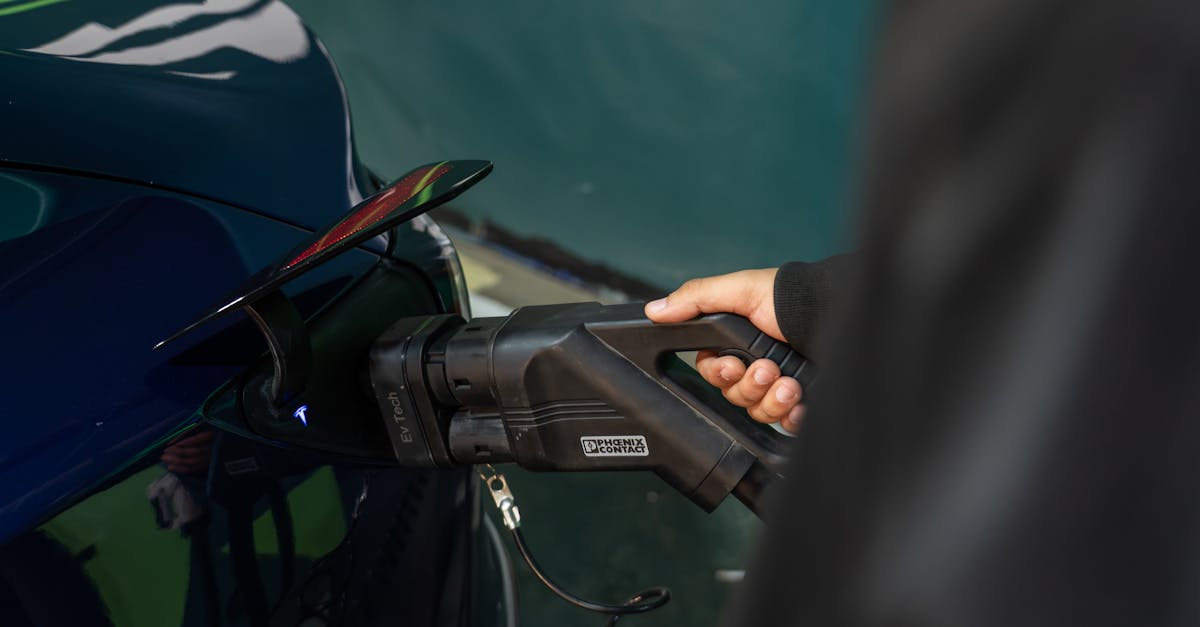
When I first bought my EV, I envisioned public charging as a seamless extension of my home setup – pull up, plug in, tap, and charge. The reality, as many of you have likely experienced, has been a frustrating labyrinth of forgotten passwords, incompatible networks, and a general sense of being stranded despite visible chargers. The promise of a smooth, interconnected charging ecosystem often crumbles under the weight of fragmented app experiences. This isn’t just an annoyance; it’s a genuine barrier to EV adoption and a major source of range anxiety, even for seasoned drivers.
I’ve lost count of the times I’ve pulled into a charging station, battery indicator dipping into the red, only to be met with an unfamiliar charger requiring yet another app download and account setup. Or worse, the app I do have for that network decides to be temperamental, refusing to initiate a session or process payment. In my experience, most EV public charging apps fail people not because the underlying technology is flawed, but because they operate as isolated silos in a landscape that desperately needs unification. This fragmented approach forces drivers to juggle multiple accounts, payment methods, and user interfaces, creating friction where there should be fluid access. It’s time to acknowledge that the current app-centric model is fundamentally broken for the average user, and explore what actually works to navigate this complex terrain.
Key Takeaways
- The proliferation of single-network apps creates an overwhelming, frustrating user experience for EV drivers.
- Relying on universal charging solutions like Plug&Charge or physical RFID cards significantly streamlines the process.
- Strategic pre-planning using mapping tools with integrated network filters is essential to avoid app-induced charging failures.
- Understanding which networks you’ll use most frequently allows for selective app downloads and focused account management.
The App Avalanche: Why More Apps Don’t Equal More Convenience
The most glaring failure of the current public charging landscape is the sheer number of required apps. Think about it: when you fill up a gasoline car, you don’t need a different app for Shell, BP, Exxon, or Chevron. You use a standard payment method, and it just works. For EVs, however, nearly every major charging network – Electrify America, ChargePoint, EVgo, Flo, Blink, and countless regional players – demands its own dedicated application. In my own phone, I currently have eight different charging apps installed, and that doesn’t even cover every network I’ve encountered on road trips. This isn’t convenience; it’s an app avalanche that buries the user experience under a mountain of digital clutter.
The core problem here is not just the number of apps, but the inconsistency they introduce. Each app has its own login process, its own payment wallet, its own unique interface for initiating and monitoring a charge, and its own quirks. Some require you to scan a QR code, others to type in a charger ID, and a few are trying to move towards automatic vehicle recognition. This lack of standardization means that every time you approach a new network’s charger, you’re essentially learning a new system from scratch. This cognitive load, especially when you’re tired, in a hurry, or low on battery, transforms a simple task into a stressful ordeal. The illusion is that choice and competition foster innovation, but in practice, it’s led to a fragmented nightmare where the user is left to stitch together a functional ecosystem for themselves. What we need isn’t more apps, but smarter, more interconnected solutions.
The Hidden Cost of Fragmented Payments: Why Your Wallet (and Patience) Takes a Hit
Beyond the sheer number of apps, the fragmented payment systems are a silent killer of user experience and often lead to unexpected costs. Most charging apps require you to link a credit card or preload funds into a proprietary wallet. This might seem minor, but it creates several points of friction and potential failure. I’ve personally had moments where my linked credit card expired, or a network’s payment processor declined the transaction for no apparent reason, leading to frantic calls to customer support while my car remained uncharged.
Furthermore, many networks incentivize using their own app and payment system with loyalty programs or slightly lower rates, making universal payment options (like a standard credit card reader) less attractive or even unavailable. This forces users into their ecosystem, exacerbating the app avalanche. Even when credit card readers are present, they often suffer from poor cellular connectivity, leading to failed transactions and wasted time. The promise of tap-to-pay with your bank card, standard in many other industries, remains an elusive dream for much of the EV charging world. This means not only carrying multiple physical RFID cards (if you even remember them), but also constantly monitoring balances across different app wallets, ensuring each one is topped up before a critical charging session. The hidden cost isn’t just a few cents per kWh; it’s the mental overhead and the sheer frustration of being denied a charge because a payment system decided to throw a fit. Until payment is as universally simple as swiping a physical card at a gas pump, the current app-centric model will continue to fall short.
The Universal Solutions That Actually Work (When Available)
Despite the chaos, there are glimmers of hope and specific technologies that genuinely streamline the public charging experience. In my years of EV ownership, I’ve found that relying on universal solutions is the strategic approach that truly works, minimizing app fatigue and maximizing charging success. The two biggest game-changers are:
Plug&Charge (ISO 15118): This technology is, simply put, what all public charging should aspire to be. Once your car and charging account are linked (often through your vehicle’s infotainment system), you simply plug the charging cable into your car, and the session automatically begins, with payment handled in the background. No apps, no RFID cards, no fumbling. It’s seamless. My Ford Mach-E uses this with Electrify America, and it’s a night-and-day difference. The catch? Not all vehicles support it, and not all charging networks have fully implemented it. But when it works, it’s pure magic.
Physical RFID/NFC Cards: While not as elegant as Plug&Charge, dedicated RFID cards issued by major networks (like ChargePoint or EVgo) can bypass app issues. Many networks allow you to order a physical card linked to your account. I keep these on my keychain or in my wallet. If the app is glitching, a quick tap of the card can often initiate the session without a hitch. The downside is remembering to carry them and ensuring they are activated and linked to the correct account.
These solutions aren’t perfect, and their availability varies wildly by region, network, and vehicle. However, when I’m planning a trip, I actively prioritize networks and chargers that support these universal methods because they significantly reduce the stress and complexity of public charging. This proactive approach, rather than reactive troubleshooting with a dozen apps, is what makes public charging genuinely usable.
Strategic Pre-Planning: Your Best Defense Against App Failure
Given the current state of public charging apps, strategic pre-planning isn’t just helpful; it’s absolutely essential to avoid getting stranded or wasting precious time. In my experience, relying solely on in-car navigation for charging can be a recipe for disaster if it doesn’t integrate real-time network status and app compatibility.
Here’s what I’ve found truly works:
- Dedicated EV Trip Planning Apps: Apps like A Better Routeplanner (ABRP) or PlugShare are invaluable. They allow you to filter by charging network, connector type, speed, and crucially, user reviews about reliability and payment issues. I specifically look for comments related to app functionality or alternative payment options. ABRP, for example, can integrate with your vehicle to give more accurate state-of-charge predictions, making charging stops more precise.
- Network-Specific Site Checks: Before a critical long-distance leg, I will often cross-reference a chosen charging station directly on the network’s own website. Sometimes, their website will list a station as offline before their app updates, or provide specific troubleshooting tips for that location. This redundancy can save a lot of grief.
- Identify Your Primary Networks: For daily driving and most regional trips, I’ve identified the 2-3 networks that are most prevalent in my area (e.g., ChargePoint for local L2, Electrify America for DCFC). I ensure these apps are always updated, logged in, and have a valid payment method. For less frequent networks, I rely more heavily on the universal solutions mentioned earlier or mentally prepare for a new app download if absolutely necessary.
This level of vigilance might seem excessive, but until the public charging experience achieves true plug-and-play simplicity, proactive planning is your strongest defense against the frustrations of fragmented apps. It shifts the burden from reactive problem-solving at the charger to informed decision-making beforehand, drastically improving the overall experience.
Embracing Selective Digital Integration: Only Install What You Need
The impulse might be to download every charging app imaginable ‘just in case.’ However, in my experience, this leads to information overload and makes it harder to manage the apps you actually need. The strategic approach is to embrace selective digital integration, focusing your efforts on the networks you will genuinely use most often.
Here’s how I manage my digital charging ecosystem:
- Audit Your Charging Habits: Over a month or two, observe which public networks you actually use. Are you primarily relying on workplace chargers (often ChargePoint or a similar solution)? Do you only use DC fast chargers on road trips, and if so, which specific networks (Electrify America, EVgo, etc.)? Once you identify your core networks, uninstall the apps you haven’t touched in months.
- Focus on Account Health: For your chosen 2-3 primary networks, proactively manage your accounts. Ensure your payment methods are current, check for any loyalty program updates, and keep the app updated. I’ve found it helpful to put these apps into a dedicated folder on my phone for quick access.
- Utilize Aggregators for Discovery: Instead of downloading every app, use an aggregator like PlugShare for discovering new chargers when you’re out of your usual territory. If you find a charger on a new network that you anticipate using frequently, then consider downloading its dedicated app. Otherwise, default to universal payment methods if available.
This disciplined approach prevents the ‘app avalanche’ from overwhelming your phone and your mental bandwidth. It allows you to become truly proficient with the interfaces you use regularly, reducing friction and stress during those critical charging moments. The goal isn’t to eliminate apps entirely (yet), but to minimize their impact on your day-to-day charging reality.
The Future Is Interoperability, Not More Apps
The fundamental failure of the current public EV charging app ecosystem lies in its lack of interoperability. Each network acts as a walled garden, creating an inconvenient, frustrating, and often unreliable experience for the end-user. As an EV owner, what I truly need isn’t a new feature in every app, but a consistent, universally accepted way to initiate and pay for a charge, regardless of the brand on the charger itself. This is where the industry is falling short, and where the future must head.
Consider the lessons from other industries. Credit card processing is standardized. Mobile payments like Apple Pay and Google Pay work across countless merchants. Even for specific services like ride-sharing, multiple platforms compete, but the user experience within each is generally cohesive. EV charging needs to move beyond proprietary apps to embrace true standardization. Initiatives like Plug&Charge are a fantastic start, as is the growing push for universal credit card readers on all new DC fast chargers. These are not incremental improvements; they are foundational shifts towards an experience that matches the simplicity and reliability of gasoline fueling.
Ultimately, the strategic approach for EV drivers today involves a blend of proactive planning, selective app management, and an active preference for universal charging methods. However, the long-term solution lies with the industry itself – to prioritize interoperability, standardize payment, and integrate seamlessly into our vehicles, making the charging app avalanche a relic of early EV adoption, not a permanent burden.
Frequently Asked Questions
Q: Why do EV charging networks each have their own app?
A: Historically, each EV charging network developed its own proprietary software and payment system. This allowed them to control the user experience, offer network-specific loyalty programs, and gather data. However, this has led to a fragmented experience for drivers who need to use multiple networks.
Q: Is there a single app that works for all EV charging stations?
A: No, there isn’t a single universal app that works for all charging stations. However, aggregator apps like PlugShare or A Better Routeplanner can help you locate chargers across different networks and often link to the relevant network’s app or website. For actual charging, you usually need the specific network’s app or a compatible universal payment method.
Q: What is Plug&Charge, and how does it help with app fatigue?
A: Plug&Charge is a communication protocol (ISO 15118) that allows your EV and the charging station to communicate and authenticate automatically. Once set up, you simply plug in, and the car takes care of initiating the charge and processing payment, eliminating the need for a separate app or RFID card for that specific network. It significantly reduces app fatigue by making the process seamless.
Q: Should I carry physical RFID cards for charging networks?
A: Yes, I highly recommend carrying physical RFID cards for the major charging networks you anticipate using (e.g., ChargePoint, EVgo, Flo). These cards can often initiate a charging session even if the network’s app is malfunctioning or if cellular service is poor, providing a reliable backup to app-based payment.
Q: How can I minimize the number of charging apps on my phone?
A: To minimize charging apps, conduct an audit of your charging habits and identify your 2-3 most frequently used networks. Focus on keeping only those apps updated and active. For less common networks, prioritize stations that offer Plug&Charge or standard credit card readers, or be prepared to download a new app only if absolutely necessary for a planned stop. Utilize aggregator apps for discovery, not necessarily for direct charging initiation.
Mark Harrison
Charging & Range Analysis