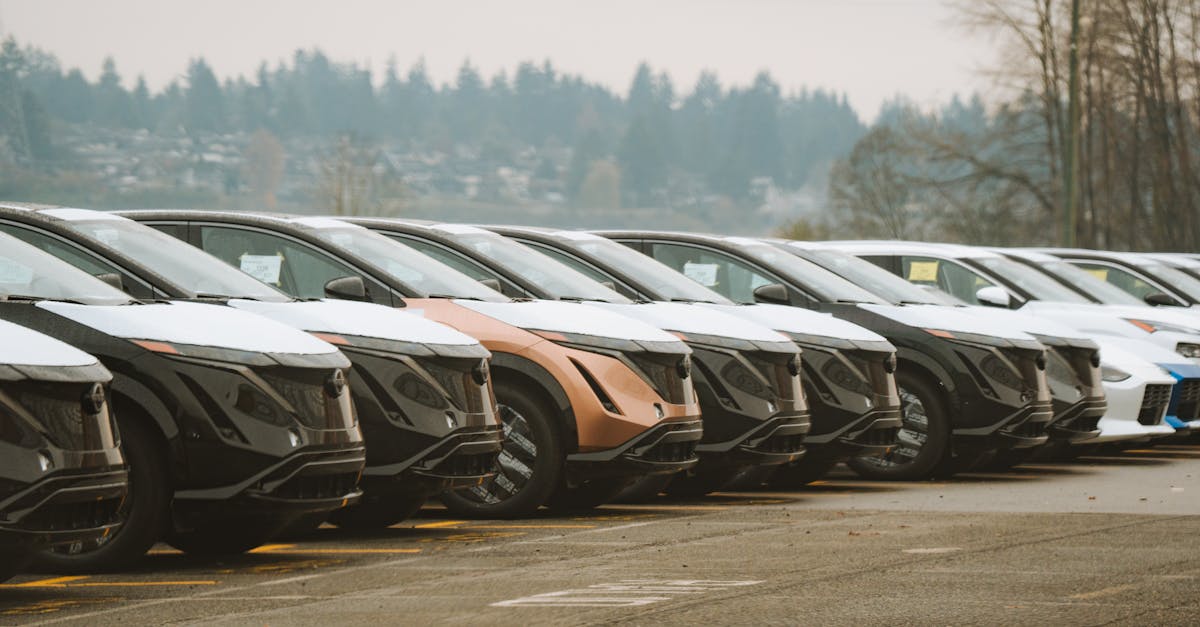
The dream of driving an electric vehicle often conjures images of silent, smooth rides, zero emissions, and significant fuel savings. What many prospective EV owners don’t anticipate, however, is the rude awakening that can come with insurance quotes. I’ve heard countless stories, and experienced it myself, where the projected savings from ditching gasoline are partially, or even entirely, offset by unexpectedly high insurance premiums. It’s a common frustration, and one that most generic insurance advice completely fails to address.
Traditional wisdom about car insurance—shop around, bundle policies, maintain a clean driving record—is still valid, but it only scratches the surface when it comes to EVs. The unique characteristics of electric vehicles create a whole new set of factors that insurers consider, often leading to significantly higher costs. If you’ve been shocked by your EV insurance quotes, you’re not alone. The problem isn’t necessarily your driving history; it’s a fundamental mismatch between how insurers assess risk for EVs and how most owners attempt to mitigate those costs.
In my experience, relying solely on broad comparisons between gas and electric models for insurance purposes is a losing game. The real savings come from understanding the specific pain points insurers have with EVs and proactively addressing them. This isn’t about finding the ‘cheapest’ policy, but rather intelligently positioning yourself and your vehicle to be seen as a lower risk by underwriters. It’s about leveraging the unique attributes of EV ownership, rather than hoping they get overlooked.
Key Takeaways
- Generic insurance comparisons between EVs and ICE vehicles often miss crucial cost-driving factors for electric cars.
- High battery replacement costs and specialized repair networks significantly inflate EV insurance premiums.
- Leveraging telematics and driver assistance systems can directly demonstrate lower risk to insurers, leading to savings.
- Strategic policy bundling and considering a high deductible with a strong emergency fund can dramatically reduce your annual outlay.
The Hidden Cost of Battery Replacement and Repair Networks
The single biggest driver of high EV insurance premiums that nobody talks about enough is the cost and complexity of battery replacement and specialized repairs. When an internal combustion engine (ICE) vehicle is involved in an accident, a mechanic can often assess and repair individual components. If the engine is completely totaled, a new or reconditioned engine can be installed, a process that is well-understood and has a mature supply chain.
EVs are a different beast. The battery pack, which is the most expensive single component of an EV, can cost anywhere from $10,000 to over $20,000 to replace, sometimes even more. Even a minor accident could potentially damage the battery pack’s casing or internal modules, necessitating a full replacement if the integrity or safety is compromised. Insurers see this massive potential payout as a significant risk. Unlike an engine, EV battery packs aren’t easily repaired by any local garage; they often require specialized equipment, certified technicians, and sometimes even need to be shipped back to the manufacturer or a designated facility.
Furthermore, the repair network for EVs is still developing. Finding qualified technicians and parts can be more challenging and time-consuming than for a conventional car. This scarcity translates directly into higher labor costs and longer repair times, both of which increase the cost burden for insurers. They factor in not just the material cost but also the time out of service for the vehicle, which can lead to higher rental car reimbursement claims. My advice here is to inquire about an insurer’s EV-specific repair network and claims process. Some insurers are investing in preferred networks and might offer lower premiums if you’re willing to use them, demonstrating their understanding of this unique challenge.
Under-Appreciating EV Safety Features and Driver Behavior Data
Many EV owners, myself included, are initially drawn to electric cars for their advanced technology, which often includes sophisticated driver-assistance systems (ADAS). Features like automatic emergency braking, lane-keeping assist, and adaptive cruise control are standard on many EVs. Logically, these should lead to fewer accidents and, therefore, lower insurance costs, right? Not necessarily. While these systems do reduce accident frequency and severity, insurers have been slow to fully incorporate their risk-reducing potential into premium calculations.
The paradox is that while these systems prevent accidents, if an accident does occur, repairing or recalibrating ADAS sensors and cameras can be extremely expensive, often requiring specialized tools and calibration. This offsets some of the perceived safety benefits in an insurer’s eyes. The real opportunity, often overlooked, is leveraging telematics and driving behavior data. Some insurers offer discounts for plug-in devices or smartphone apps that monitor your driving habits (speed, braking, acceleration, time of day). As EV drivers often exhibit smoother, more controlled driving—partly due to the instant torque but also general driver demographics—this data can be gold.
In my own experience, simply opting into a telematics program with my insurer shaved nearly 10% off my premium. The key is to be a genuinely safe driver, which many EV owners already are. Don’t just assume the built-in safety features are enough; actively demonstrate your low-risk profile through data. Look for insurers that explicitly offer EV-specific telematics discounts or programs tailored for vehicles with advanced safety tech, rather than generic ‘safe driver’ programs that might not fully account for the unique safety profile of an EV.
Misjudging the Theft and Vandalism Risk
Another subtle factor impacting EV insurance is the perceived risk of theft and vandalism. While EVs aren’t necessarily more prone to full vehicle theft than ICE cars, their components, particularly charging cables and certain internal tech, can be targets. A high-value charging cable stolen from your driveway might seem like a minor inconvenience, but the replacement cost (often hundreds of dollars) adds up for insurers. Furthermore, as EVs become more common, the parts market for specific components, including unique body panels or even charging ports, can make them attractive targets for specific types of theft or vandalism.
What many EV owners fail to do is proactively address these smaller, often overlooked risks. For example, simply ensuring your charging cable is securely locked or stored when not in use can deter opportunistic theft. Parking in a well-lit, secure area is always good advice, but for an EV, it also helps protect those unique, high-value exterior components. My recommendation here is to discuss with your insurer any home security measures you have in place, especially those related to vehicle storage or charging areas. Some insurers will offer discounts for connected home security systems, secure garages, or even dashcams that provide continuous recording.
Don’t just focus on comprehensive coverage; understand how your daily habits and environment might be implicitly increasing or decreasing the insurer’s perception of risk for these specific, lower-level claims. Ask if they offer discounts for anti-theft devices beyond standard alarms, such as GPS trackers (many EVs have these built-in, but you might need to activate a subscription or share data with your insurer if offered).
Overlooking EV-Specific Insurers and Policy Customization
One of the biggest mistakes I see EV owners make is treating their insurance search exactly the same as they would for a gas car, focusing on the big-name national carriers without digging deeper. While these carriers are a good starting point, many are still playing catch-up in terms of truly understanding EV risk and offering competitive pricing. The generic models they use often penalize EVs because they don’t fully differentiate between high-risk ICE performance cars and a standard EV sedan.
The real breakthrough often comes from exploring smaller, niche insurers or brokers that specialize in EVs or environmentally friendly vehicles. These companies have often developed more sophisticated underwriting models that better reflect the actual risk profile of an EV, including the lower maintenance costs (no oil changes, fewer moving parts) and the careful driving habits often associated with EV owners (who are typically more deliberate and often commute predictable routes). They might also offer specialized coverage for things like home charging equipment, roadside assistance for out-of-charge scenarios, or battery degradation warranties that are highly relevant to EV owners.
My ultimate strategy has been to work with an independent insurance broker who understands the EV market. They can compare quotes not just from the usual suspects but also from these specialized providers. Furthermore, customize your policy. For example, consider whether you truly need rental car reimbursement for an extended period if you have a second vehicle or access to ride-sharing. A higher deductible might also be a smart play, assuming you have an emergency fund to cover it. The aim is to strip away unnecessary coverage that’s irrelevant to your EV ownership experience and focus on what truly matters, especially protecting that expensive battery.
Frequently Asked Questions
Q: Why is EV insurance generally more expensive than gas car insurance?
A: EV insurance is often more expensive due to the higher cost of battery replacement (the most expensive component), the specialized nature of repairs requiring certified technicians and specific parts, and the higher initial purchase price of many EVs, which increases the total loss payout for insurers.
Q: Can I get discounts on my EV insurance for installing a home charger?
A: While installing a home charger itself doesn’t typically lead to a direct insurance discount, having a secure garage where your EV is charged and stored can often qualify you for lower premiums due to reduced theft and vandalism risk. Some insurers may offer discounts for comprehensive home security systems that cover your charging area.
Q: Do advanced driver-assistance systems (ADAS) in EVs lower my insurance costs?
A: ADAS features like automatic emergency braking and lane-keeping assist do reduce accident risk. However, while some insurers offer general safety feature discounts, the high cost of repairing or recalibrating these complex systems after an accident can partially offset those savings. Leveraging telematics programs to demonstrate safe driving habits is often a more direct path to discounts.
Q: Should I choose a higher deductible for my EV insurance?
A: Considering a higher deductible for your EV insurance can significantly lower your annual premiums. This strategy works best if you have a robust emergency fund readily available to cover the higher out-of-pocket cost in case of a claim. It’s a calculated risk that can lead to substantial long-term savings.
Q: Are there specific insurance companies that specialize in electric vehicles?
A: Yes, while many major insurers are adapting, some smaller, niche insurers or brokers have developed more tailored offerings and underwriting models for EVs. Working with an independent broker who understands the EV market can help you find these specialized providers and policies that better reflect the unique risk profile of your electric vehicle.
Conclusion
Navigating EV insurance doesn’t have to be a bewildering and expensive endeavor. The key is to move beyond generic car insurance advice and understand the specific factors that drive premiums for electric vehicles. By acknowledging the high cost of battery replacement and specialized repairs, proactively demonstrating your safe driving habits through telematics, mitigating smaller theft risks, and strategically seeking out EV-aware insurers and customizing your policy, you can significantly reduce your annual insurance outlay.
Don’t let unexpected insurance costs dampen your EV enthusiasm. With a little informed effort, you can enjoy the environmental and driving benefits of your electric vehicle without breaking the bank on coverage. Start by evaluating your current insurer’s EV capabilities, and then reach out to an independent broker to explore the full spectrum of options. Your wallet—and your peace of mind—will thank you.
Lena Petrova
EV Buying Guides & Ownership Costs