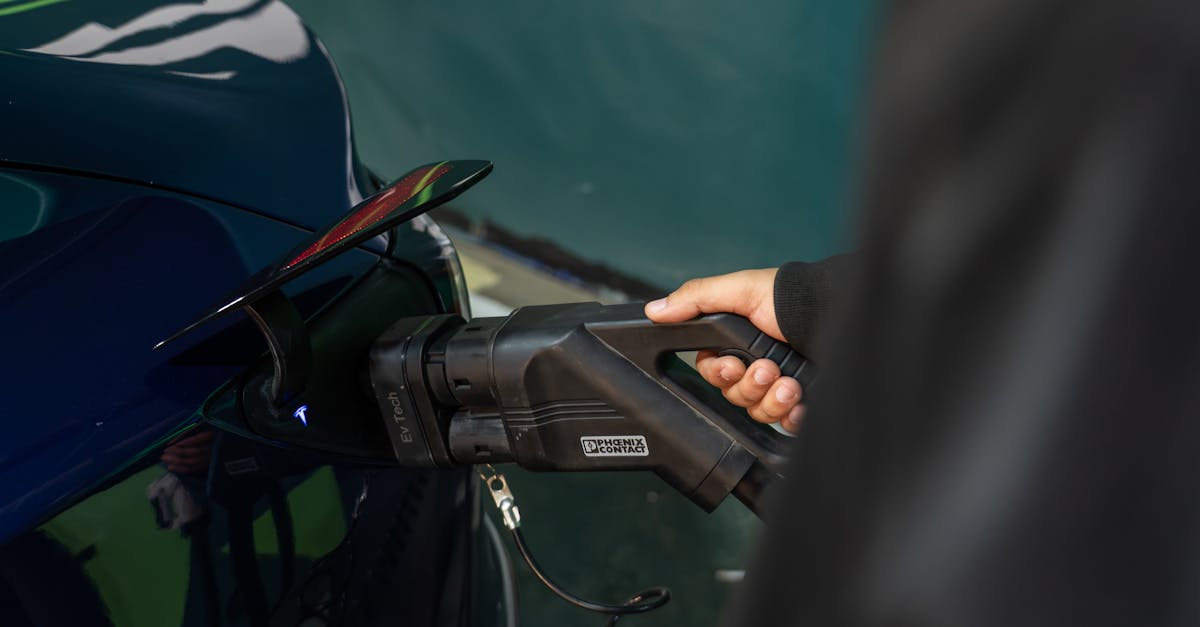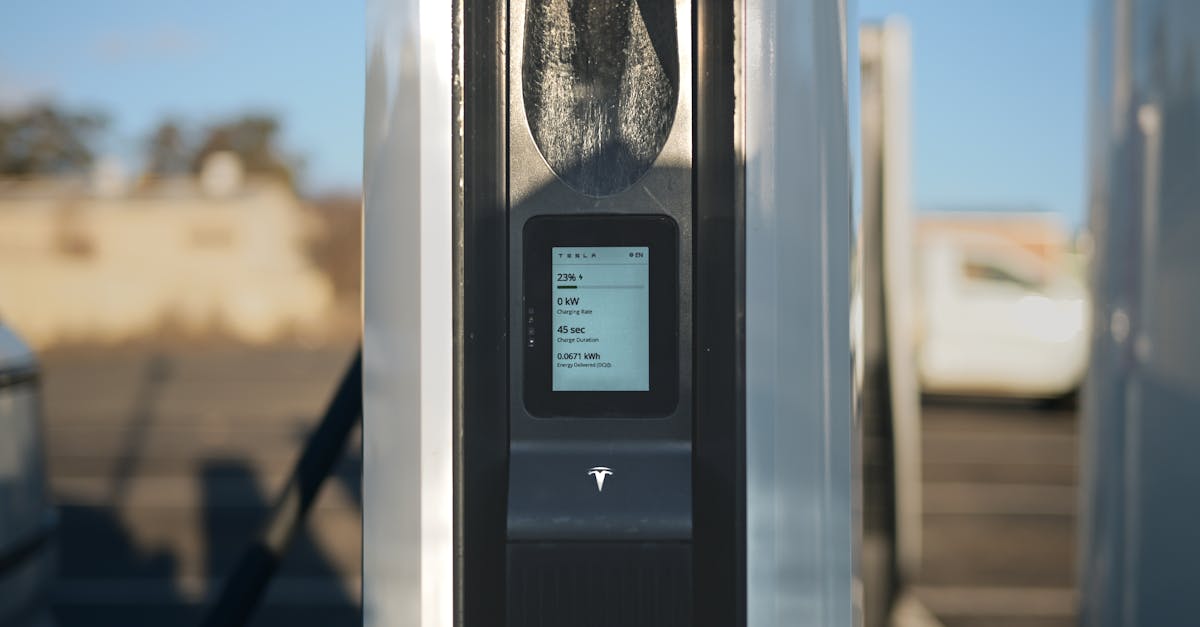
Picture this: You’re on a road trip, range anxiety is creeping in, and you pull into a public fast-charging station with just 15 miles left. You plug in, swipe your card, and… nothing. Or worse, it starts, then faults out. Or it’s charging at a snail’s pace. This isn’t a hypothetical horror story; it’s a frustrating reality many EV drivers face when relying solely on public charging networks. In my years of driving electric, I’ve seen firsthand how the promise of a seamless charging experience often clashes with the messy reality of unreliable infrastructure, confusing payment systems, and downright broken chargers. The problem isn’t always the EV; it’s often the strategy (or lack thereof) people use when approaching public charging.
Most people assume public charging should be as simple as filling up a gas tank: pull up, pay, charge. But EV charging is a dynamic, multi-faceted beast. It requires a different mindset and a more strategic approach than simply hoping for the best. The mistake I see most often is a passive reliance on what’s supposed to be there, rather than an active approach to ensure you get the charge you need. This article will dissect why traditional reliance on public EV charging networks often fails and, more importantly, equip you with the strategic framework that actually works for consistent, stress-free power on the go.
Key Takeaways
- Don’t rely solely on in-car navigation or single-app data for public charger reliability.
- Always have a multi-layered charging plan, including backup Level 2 options for emergencies.
- Prioritize network-agnostic payment methods and be ready to troubleshoot on the fly.
- Embrace ‘opportunistic charging’ to mitigate range anxiety and optimize your battery health.
The Illusion of Abundance: Why Many Chargers Are Functionally Unavailable
When you look at a map of EV charging stations, especially in metropolitan areas or along major corridors, it often looks like there’s an abundance of options. Green pins everywhere! The reality, in my experience, is far less rosy. This illusion of abundance is one of the primary reasons public charging networks fail most people. What appears on a map as a ‘charger’ often hides a myriad of functional limitations:
Broken Chargers: This is the most infuriating. A charger might show as ‘available’ in an app, but once you arrive, you find it’s physically damaged, has a non-responsive screen, or simply won’t initiate a charge. I’ve wasted precious time and range driving to what should have been a quick top-up, only to find a ‘Sorry, this charger is out of order’ sign (or no sign at all, just a blank screen).
ICE’d or Blocked Chargers: Internal Combustion Engine (ICE) vehicles illegally parked in EV charging spots are a constant menace. But it’s not just ICE cars; sometimes other EVs are simply parked without charging, or the spots are blocked by maintenance equipment, snowbanks, or other obstacles. This effectively renders the charger unavailable, despite what the app says.
Speed Discrepancies: A charger might be ‘working,’ but not delivering the advertised speed. A 150 kW DC fast charger that’s actually putting out 30 kW due to network issues, throttling, or shared power delivery might as well be broken when you’re in a hurry. You’re charging, but it’s not meeting your expectations or urgent needs, leading to significant delays and frustration.
Software Glitches & Authentication Failures: Even physically perfect chargers can be rendered useless by software bugs. Payment systems might fail to recognize your credit card or app, the charger might refuse to connect to your vehicle, or the entire network might be experiencing an outage. These invisible failures are rampant and contribute heavily to the unreliability of public networks.
To overcome this, my strategic approach is to never trust a single data point. I always cross-reference information from multiple sources: my car’s navigation, the specific charging network’s app, and third-party apps like PlugShare. PlugShare, in particular, is invaluable because it relies on real-time user check-ins and comments. Seeing recent check-ins, especially those mentioning successful high-speed charges, gives me far more confidence than a generic ‘available’ status.
The Payment Labyrinth: More Than Just Swiping a Card
One of the biggest friction points in public EV charging is the convoluted payment landscape. Unlike gas stations where virtually every pump accepts major credit cards, EV charging networks often operate like a fragmented collection of toll booths. This payment labyrinth is a significant barrier to entry and a source of constant frustration for even seasoned EV drivers. Here’s why it’s a problem:
Network-Specific Apps & Accounts: Every major charging network (Electrify America, EVgo, ChargePoint, Blink, etc.) often requires its own dedicated app, account, and pre-loaded funds or payment method. This means you could have half a dozen charging apps on your phone, each with a different balance and login. For infrequent users, this is a massive deterrent. For regular users, it’s a constant juggle.
RFID Cards: While some networks offer RFID cards for convenience, carrying a wallet full of plastic cards, each for a different network, is hardly a streamlined solution. Moreover, if you forget your card, you’re back to relying on the app.
Guest Payment Options (or Lack Thereof): Many networks offer guest payment via credit card tap or manual entry. However, these are often less reliable, slower to initiate, and in some cases, can be more expensive than paying through an account. And when the card reader fails (which happens more often than I’d like), you’re stuck.
Roaming Agreements (Limited & Confusing): While some networks have roaming agreements (e.g., ChargePoint cards working on EVgo, or some OEM apps integrating multiple networks), these are not universal, and it’s rarely clear which stations support which roaming partners. This adds another layer of complexity and uncertainty.
My strategic solution for navigating this payment labyrinth is to prioritize network-agnostic payment options and have multiple backups. My primary go-to is often Apple Pay/Google Pay via tap on chargers that support it, as it leverages my existing credit card without needing a specific app. For networks that don’t, I keep their dedicated apps installed and logged in, with a primary and secondary payment method (different credit cards) linked. I also always carry a physical credit card. For critical trips, I’ll even load a small balance onto a few key network apps beforehand, just in case. The goal is to minimize friction and increase the probability of a successful payment on the first attempt, regardless of the network.
Range Anxiety’s True Culprit: Inflexible Planning
Range anxiety isn’t just about the number on your dashboard; it’s often a symptom of inflexible charging planning. Most drivers plan their trips based on optimal conditions and advertised range, failing to account for real-world variables that drastically impact actual range and charging availability. This oversight is a significant reason why public networks appear to ‘fail’ people when, in reality, the planning failed first.
Weather Effects: Cold weather significantly reduces EV range and can slow down charging speeds. Hot weather, especially extreme heat, can also impact battery performance and charging, though usually less dramatically than cold. Relying on warm-weather range estimates for a winter trip is a recipe for disaster.
Terrain & Speed: Driving uphill or at sustained highway speeds (above 65-70 mph) consumes significantly more energy than cruising on flat city streets. An EV rated for 300 miles might only get 200-220 miles if you’re doing 80 mph up and down mountain passes.
Charger Reliability: As discussed, the sheer unreliability of individual chargers means that simply pinpointing a station on a map isn’t enough. If that charger is broken, your entire plan falls apart.
Unexpected Delays: What if the fast charger you planned to use has a 30-minute wait? Or it’s charging at half speed? These delays compound, turning a simple top-up into a stressful ordeal.
My strategic antidote to inflexible planning is a multi-layered, dynamic charging strategy. This means:
- Buffer, Buffer, Buffer: Always plan to arrive at a charging station with at least 20-30% more range than strictly necessary. This buffer acts as insurance against broken chargers, unexpected detours, or range overestimates.
- Identify Primary & Secondary DCFC: For every planned DC fast charge stop, identify at least one alternative DC fast charger within a reasonable deviation (10-20 miles). This backup is critical.
- Locate Emergency Level 2 Options: Critically, know where reliable Level 2 chargers (hotel chargers, public destination chargers, even slow ones) are near your primary and secondary DCFC stops. In a pinch, a slow Level 2 charge can give you just enough juice to reach a working fast charger or your destination.
- Embrace Opportunistic Charging: Don’t wait until you’re at 20% to think about charging. If you see a working fast charger with no queue and you’re at 50-60%, a quick 10-15 minute top-up can significantly reduce future range anxiety and is often beneficial for battery health (keeping it between 20-80% most of the time). This flexibility is key.
The Data Deficit: Why In-Car Navigators Aren’t Enough
While modern EVs boast impressive infotainment systems and integrated navigation, their real-time charging data is often the weakest link. Relying solely on your car’s built-in charger locator or estimates is a significant contributing factor to public charging failures. The data deficit stems from several issues:
Outdated Information: Charging infrastructure is evolving rapidly. A charger that was new last year might be broken today, or a new, faster one might have been installed just around the corner. Car manufacturer maps and software updates often lag behind this real-world pace.
Limited Network Integration: Most in-car systems primarily integrate with a select few major networks, if any, for real-time status. They rarely have comprehensive coverage of all networks or smaller, independent stations. This means you’re often missing out on potentially viable charging options.
Lack of Granular Detail: Your car might tell you a charger is ‘available,’ but it rarely provides critical details like: Is it actually delivering full speed? Are there two stalls or eight? What’s the cost per kWh? Are there user reviews or recent comments about its functionality? These details are vital for making informed charging decisions.
No Community Feedback: This is perhaps the biggest weakness. Unlike apps like PlugShare, in-car navigators lack a live community of EV drivers reporting issues, sharing tips, or confirming functionality. This real-time, ground-level intelligence is invaluable for avoiding bad charging experiences.
My strategic solution is to build a multi-tool charging arsenal on my phone. My personal setup includes:
- PlugShare (Essential): My absolute go-to for planning, confirming availability, reading recent comments, and finding alternative chargers.
- A Better Routeplanner (ABRP): For long-distance trip planning, ABRP is superior because it factors in elevation, temperature, speed, and even your specific EV model’s efficiency to provide highly accurate range and charging stop recommendations. It can also integrate live charger data.
- Dedicated Network Apps: As mentioned, I keep key network apps (Electrify America, EVgo, ChargePoint) installed and updated for payment and direct status checks. While less reliable for overall network status, they are necessary for initiating a charge.
- Google Maps/Apple Maps: Good for finding general amenities (food, restrooms) near a charging station, but unreliable for charger-specific data.
The key is to use the in-car system as a general guide, but always verify and plan with a robust suite of phone apps. This redundancy and depth of information drastically reduces the likelihood of encountering an unexpected charging problem.
The Solution: A Proactive, Redundant Charging Mindset
The fundamental reason public EV charging networks ‘fail’ most people is a passive approach to a complex system. Unlike the mature, homogenous gasoline infrastructure, EV charging is still in its infancy, characterized by fragmentation, technological inconsistencies, and varying levels of reliability. To succeed, you can’t just expect it to work; you must make it work through proactive planning and a redundant mindset.
Be Your Own Charging Advocate: Don’t wait for your car or a single app to tell you what to do. Actively research your route, identify potential charging stops, and always have backups. Check multiple sources for charger status, and don’t be afraid to call the network’s customer service if a charger isn’t working.
Embrace Flexibility: Your charging plan shouldn’t be rigid. Be prepared to adapt if a charger is occupied, broken, or slow. This might mean driving a few extra miles to another station, settling for a slower Level 2 charge for an hour, or even modifying your route slightly. The most successful EV drivers are the most adaptable.
Prioritize Home Charging: The ultimate hedge against public charging woes is reliable home charging. If you have the ability to charge at home, make that your primary method. It provides consistent, affordable power and means you only rely on public networks for long trips or occasional top-ups.
Contribute to the Community: If you use PlugShare or similar apps, take a few minutes to check in, leave comments about charger functionality (speed, issues, successful charges), and upload photos. This community feedback loop is what makes these apps so powerful and helps other drivers avoid the frustrations you might have experienced.
By adopting this proactive, redundant mindset, you transform public charging from a potential source of anxiety into a manageable, albeit sometimes quirky, part of your EV ownership experience. It’s not about the networks being perfect; it’s about your strategy being robust enough to navigate their imperfections.
Frequently Asked Questions
Q1: Is public EV charging getting better or worse?
A1: It’s getting better in terms of raw numbers of chargers being installed, and some networks are improving reliability. However, the pace of improvement in reliability and user experience often lags behind the pace of new installations. So, while there are more options, the quality and consistency can still be hit-or-miss, making a strategic approach more critical than ever.
Q2: How accurate are in-car navigation systems for finding chargers?
A2: In-car navigation systems are generally good for identifying the locations of chargers, but they are often poor at providing real-time, accurate information about charger availability, functionality, and speed. They rarely incorporate community feedback or quickly update on broken units, which is why supplementing with apps like PlugShare is crucial.
Q3: What’s the best way to report a broken public EV charger?
A3: The most effective way is to call the customer service number listed on the charger itself or within the network’s app. Providing the charger ID number (usually on the unit) and a clear description of the issue helps. Additionally, report it on third-party apps like PlugShare to alert other drivers.
Q4: Should I always charge to 100% at a DC fast charger?
A4: Generally, no. Most EVs significantly slow down charging speeds above 80% state-of-charge to protect the battery. It’s often more time-efficient to charge to 80% or 90% at a fast charger and then move on, especially if there’s a queue. Also, frequently charging to 100% on DCFC can slightly accelerate battery degradation compared to keeping it between 20-80%.
Q5: What should I do if my credit card won’t work at a public charger?
A5: First, try a different credit card. If that fails, try using the network’s dedicated app (ensure you’re logged in and have a payment method linked). Some networks also have RFID cards, which can be an alternative. If all else fails, call the network’s customer service number immediately for assistance; they can sometimes initiate a charge remotely or process payment over the phone.
In my journey with EVs, the most significant lesson I’ve learned about public charging is that it’s less about the technology’s perfection and more about your preparation. Adopt a proactive, flexible, and redundant mindset. Treat your phone as your co-pilot, not just your car’s screen. By doing so, you’ll find that the public charging networks, despite their flaws, can reliably serve your needs, turning potential stress into a mere footnote in your electric adventures. The road ahead for EV charging is promising, but navigating it successfully today means being smarter than the system itself.
Lena Petrova
EV Buying Guides & Ownership Costs