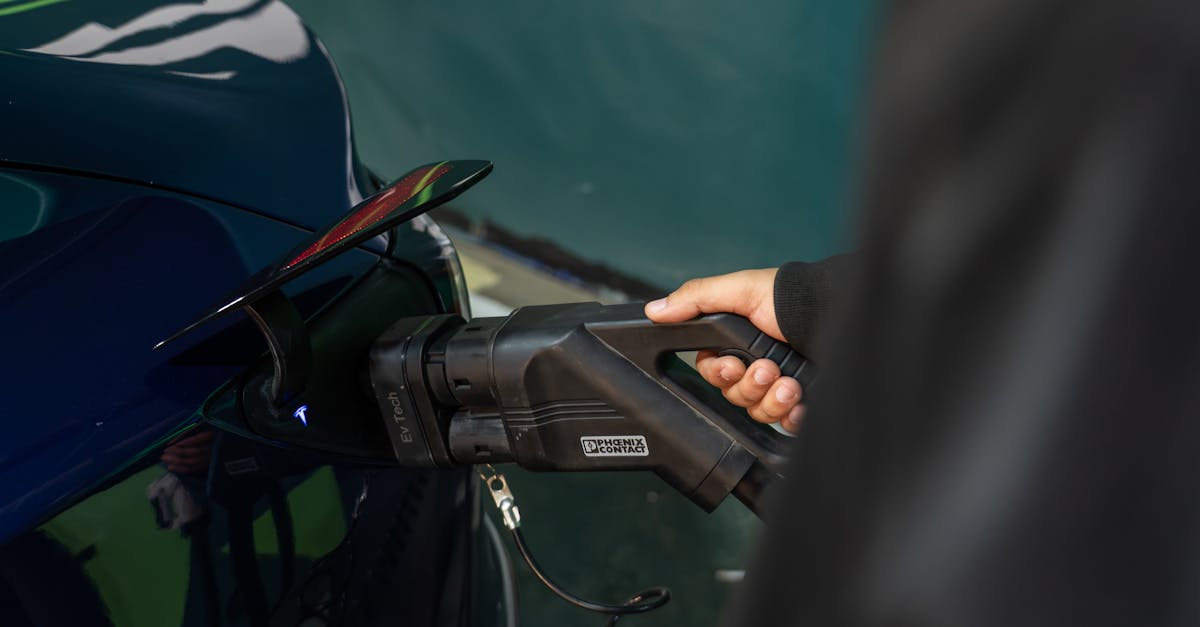
The world of electric vehicles is still relatively new, and with any emerging technology, new social norms and unspoken rules emerge. For EV drivers, one of the most contentious and frustrating areas is public charging etiquette. We all know the basics: don’t hog a charger, don’t unplug someone without permission, and definitely don’t ICE (Internal Combustion Engine) a charging spot. Yet, despite these seemingly simple guidelines, I constantly see frustration, confusion, and outright anger at public charging stations. In my experience, the problem isn’t that people are inherently rude; it’s that the current approach to EV charging etiquette is fundamentally flawed and fails to address the underlying pressures and anxieties of EV ownership.
Most current etiquette guides are prescriptive, telling you what to do, but they rarely address why these situations arise or how to proactively avoid becoming part of the problem. This leads to a reactive mindset, where drivers are constantly worried about infringing on others or being infringed upon. What’s missing is a strategic, empathy-driven approach that recognizes the real-world constraints and anxieties of EV drivers. If we want to move beyond conflict and towards a harmonious charging future, we need to understand the ‘why’ behind the ‘what’ and cultivate a more proactive, understanding perspective.
Key Takeaways
- Traditional EV charging etiquette is too reactive and doesn’t address the underlying anxieties of range and charging availability.
- Adopt a proactive, strategic mindset by planning charging stops with buffer time and alternative options.
- Prioritize efficient charging behavior, like unplugging when complete and using slower chargers for longer stays, to maximize network availability.
- Communicate clearly and respectfully with other drivers, assuming good intent rather than malice.
- Advocate for improved infrastructure and clearer station signage, as good etiquette is a two-way street that relies on system support.
The Flawed Premise: Reactive Rules in a Proactive World
Most charging etiquette boils down to a set of ‘thou shalt nots’ designed to prevent conflict. Don’t park your gas car in an EV spot. Don’t leave your EV plugged in for hours after it’s full. Don’t unplug someone else’s car. These are logical, and for the most part, necessary. The problem, however, is that they treat symptoms rather than the disease. The ‘disease’ here is the inherent anxiety around charging, often stemming from limited infrastructure, unpredictable charger reliability, and the ever-present ‘range anxiety.’
Think about it: when you pull up to a gas pump, you don’t worry about whether someone will pull the nozzle out of your car before you’re done, or if you’re taking too long. You fill up, pay, and leave. The infrastructure is robust, fast, and universally understood. EV charging, particularly DC fast charging, is still a nascent ecosystem. A driver might be down to 5% battery, 100 miles from home, with the next reliable charger being the one you’re currently hogging. This isn’t just an inconvenience; it’s a potential stranding.
In my years of driving EVs across different states, I’ve observed that most ‘etiquette breaches’ aren’t malicious acts, but rather symptoms of stress and poor planning (often due to lack of options). A driver might leave their car plugged in past 80% not because they’re rude, but because they have a meeting, or because they saw the next charger on their route was broken. The reactive rules don’t account for these complexities. We need a framework that helps drivers act proactively to avoid these stressful situations in the first place, rather than just shaming them after the fact.
Shifting to a Strategic Mindset: Planning for Predictability
The most powerful shift you can make as an EV driver is to move from a reactive ‘hope for the best’ attitude to a proactive, strategic mindset. This means anticipating charging needs and potential pitfalls, much like a pilot plans a flight path with multiple diversion airports.
1. Always Plan with a Buffer: Never arrive at a public charger with your battery so low that failure to charge immediately becomes a crisis. Aim to arrive with enough range to reach at least one or two alternative charging locations, or your home charger, if the primary station is occupied or out of service. This reduces the emotional pressure and the likelihood of you feeling forced to ‘hog’ a spot.
2. Identify Redundant Options: Before embarking on any significant journey, identify not just your primary charging stops, but also secondary and tertiary options. Use apps like PlugShare or A Better Routeplanner (ABRP) to not only locate chargers but also check their real-time status and user reviews. This helps you pivot quickly if your first choice is unavailable. I always mark a few backup chargers within a 20-30 mile radius of my primary destination.
3. Understand Charging Curves, Not Just Speeds: Different EVs charge at different rates at various battery percentages. My Hyundai Ioniq 5 charges incredibly fast up to 80%, then slows significantly. Knowing this, I plan to unplug at 80% on a busy fast charger, maximizing throughput for others, and finish any remaining top-up at a Level 2 charger if needed. Don’t just look at the peak kW; understand your car’s actual charging curve to optimize your time and the station’s availability.
This strategic mindset lessens your own stress and inherently makes you a better ‘charging citizen’ because you’re less likely to be desperate or feel entitled to a spot for an extended period.
The Unspoken Rule: Efficient Charging is Community Charging
Beyond just getting your car charged, true etiquette involves thinking about the broader community of EV drivers. This is where individual actions have a collective impact, often for the worse if ignored.
1. Unplug Promptly: This is arguably the most common source of frustration. Leaving your car plugged in at a DC fast charger long after it’s reached a usable state (typically 80% or your planned departure SOC) is an inefficiency that directly impacts other drivers. Many public chargers have idle fees that kick in after a certain period, and for good reason. Set a timer, use your car’s app notifications, or have a habit of checking frequently. It’s not just about avoiding a fee; it’s about freeing up a critical resource.
2. Right Charger, Right Time: Not all chargers are created equal, and not all charging needs are the same. If you’re going to be parked for several hours (e.g., at work, shopping, or overnight), prioritize using slower Level 2 chargers. These are typically cheaper per kWh, less in demand for rapid top-ups, and don’t tie up a valuable fast charging resource. Conversely, if you only need a quick 20-minute boost, a fast charger is appropriate. The mistake I see most often is people using DC fast chargers as glorified parking spots for hours, even when slower alternatives are available.
3. Keep the Space Tidy: This might seem minor, but a clean and well-maintained charging station reflects respect for both the equipment and fellow drivers. Coil cables neatly, report any damage or trash, and don’t leave personal belongings scattered. A well-maintained station is more likely to be reliable for everyone.
In my experience, thinking of charging as a shared community resource, rather than a private gas pump, fundamentally changes how I approach each stop. It’s about contributing to the efficiency of the network for everyone, including myself on a future trip.
Communication is Key: Assuming Good Intent (Initially)
One of the biggest challenges with current etiquette is the lack of direct, easy communication between drivers. This often leads to assumptions and frustration. How many times have you wanted to unplug a fully charged car but hesitated, unsure if it was okay?
1. Leave a Note (When Appropriate): If you absolutely must leave your car at a fast charger for a bit longer than ideal, or if you’re using a charger that might be needed, a simple note with your phone number or estimated return time can defuse a lot of tension. I’ve seen some drivers print out ‘Unplug Me’ cards with their number, and it’s a brilliant idea. Similarly, if you’re unplugging someone, a quick note explaining why (e.g., ‘My car needed 10% to get home, your car was at 95% for 2 hours’) can prevent anger.
2. Use Charging Apps for Communication: Many charging network apps (and third-party apps like PlugShare) allow for direct messaging between drivers at a particular station. If available, use these features to politely coordinate. Instead of fuming, send a polite message asking for an ETA or offering to move. What changed everything for me was realizing that most people are reasonable if approached respectfully.
3. Assume Good Intent (Until Proven Otherwise): It’s easy to immediately assume the worst – that someone is deliberately rude or entitled. However, in many cases, people are simply unaware, stressed, or dealing with their own set of charging anxieties. A polite inquiry or a gentle reminder is often more effective than an aggressive confrontation. If you assume someone accidentally left their car plugged in, rather than intentionally hogging, your approach will be far more constructive.
Beyond Drivers: The Role of Infrastructure and Policy
While individual driver behavior is important, it’s critical to acknowledge that charging etiquette is heavily influenced by the charging infrastructure itself and the policies (or lack thereof) governing its use.
1. Clearer Signage and Pricing: Ambiguous signage for charging speeds, idle fees, or time limits creates confusion. Charging network operators have a responsibility to make these policies crystal clear at the station and in their apps. When drivers understand the rules and consequences, compliance naturally improves.
2. Strategic Placement of Chargers: Placing Level 2 chargers in long-stay parking areas (e.g., airports, shopping malls) and DC fast chargers in high-turnover areas (e.g., highway rest stops, grocery stores) helps guide drivers to the appropriate resource for their needs. When these are mixed indiscriminately, it’s a recipe for fast chargers being misused.
3. More Reliable Data: Real-time data on charger availability and status is paramount. When charging apps inaccurately report operational chargers, it leads to desperate drivers potentially ‘stealing’ a spot or overstaying because they can’t trust the next option. Investing in accurate, real-time data feeds would significantly reduce driver anxiety and improve flow.
Ultimately, good etiquette is a partnership. Drivers need to be considerate, but the infrastructure needs to be designed and managed in a way that enables good behavior. Advocacy for these improvements is as much a part of good etiquette as how you personally behave at the charger.
Conclusion: Towards a More Harmonious Charging Future
The transition to electric vehicles is an exciting one, but it comes with its own set of challenges, public charging being a prominent one. Relying solely on a reactive set of ‘don’t do this’ rules for charging etiquette is an outdated approach that doesn’t account for the real-world pressures faced by EV drivers. By adopting a strategic, proactive mindset – planning meticulously, understanding our vehicles’ charging curves, prioritizing efficient use of resources, and communicating respectfully – we can collectively move towards a more harmonious charging future. This isn’t just about avoiding conflict; it’s about building a sustainable and supportive community that accelerates the adoption of electric vehicles for everyone.
Frequently Asked Questions
Q1: Is it ever okay to unplug someone else’s EV at a public charger?
A1: Generally, no, unless there’s an explicit sign at the station stating it’s permissible, or if you have direct permission from the owner (e.g., they left a note with their number). Unplugging someone’s car without permission can lead to drained batteries, damage, or legal issues. It’s best to wait, look for alternatives, or try to contact the owner if possible through a note or charging app.
Q2: What’s the ‘80% Rule’ and why is it important for fast charging?
A2: The ‘80% Rule’ refers to the common practice of unplugging your EV from a DC fast charger once it reaches around 80% state of charge. Most EVs significantly slow their charging speed beyond this point to protect the battery. Staying plugged in past 80% means you’re occupying a high-demand, high-speed charger for diminishing returns, preventing other drivers who need a rapid boost from using it efficiently.
Q3: How can I tell if a charger is in use or broken before I arrive?
A3: Use dedicated EV charging apps like PlugShare, Electrify America, ChargePoint, or EVgo. These apps often provide real-time status updates (in use, available, out of order) and allow users to leave comments about charger reliability or issues. Always check multiple sources if possible, especially for critical charging stops.
Q4: Are idle fees common, and how can I avoid them?
A4: Yes, idle fees are increasingly common at DC fast charging stations to encourage drivers to move their vehicles once charging is complete. They typically kick in after a grace period (e.g., 5-10 minutes) once your car is fully charged or has reached a certain SOC. To avoid them, monitor your charging progress via your car’s app or the charging network’s app, and move your vehicle promptly once finished.
Q5: What should I do if a gas car is parked in an EV charging spot (‘ICEing’)?
A5: First, check for any nearby signs that might explain parking rules or provide contact information for enforcement. If the spot is clearly designated for EV charging only, you can often report the incident to the property management (e.g., store security, city parking enforcement) or the charging network provider. Avoid confrontation and take a photo as evidence if you decide to report it.
Mark Harrison
Charging & Range Analysis