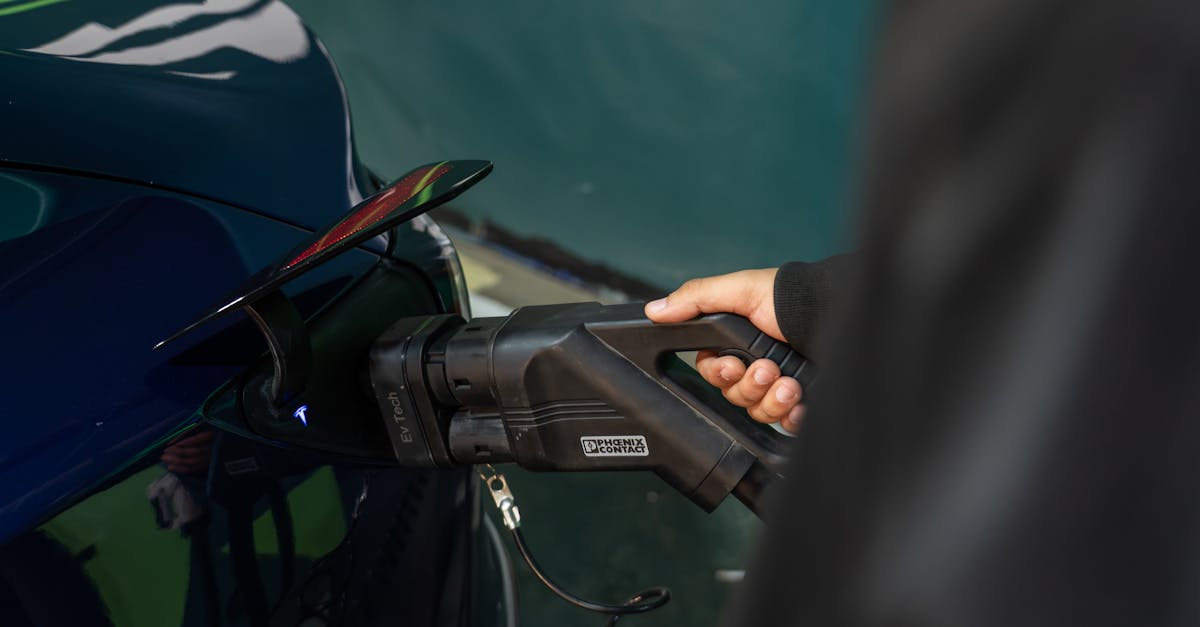
When I first bought my EV, I thought a charging cable was just a charging cable. Plug it in, and power flows, right? Oh, how wrong I was. After experiencing agonizingly slow charging sessions, mysterious errors, and even a few overheating scares, I dove deep into the world of EV charging cables. What I discovered is that for most EV owners, the charging cable they’re using is a silent saboteur, quietly throttling their charging speeds and causing unnecessary frustration.
You might be thinking, “It’s just a wire, how complicated can it be?” Trust me, it’s far more nuanced than simply matching the plug type. The dirty secret is that many OEM-supplied or generic aftermarket cables are designed for a minimum viable experience, not an optimal one. They meet the basic safety standards but often fall short when it comes to maximizing the charging potential of your EV and your charging station. This isn’t just about minor inconvenience; it can mean the difference between a quick top-off and being stuck for hours, or worse, damaging your equipment over time.
In my experience, the biggest mistake people make is assuming all J1772 or CCS cables are the same once the connector fits. This oversight costs them precious charging time, undermines their EV ownership experience, and leaves them wondering why their fancy new EV isn’t charging as fast as advertised. What changed everything for me was understanding the underlying electrical principles and making informed choices about my charging cables. I’m going to show you why your current cable is likely holding you back and what actionable steps you can take to reclaim your charging speed.
Key Takeaways
- Many OEM or generic EV charging cables are bottlenecks, limiting actual charging speeds below your EV’s or charger’s capabilities.
- Cable gauge (thickness) and length are critical, directly impacting power delivery and often causing thermal throttling in thinner or longer cables.
- Always match your cable’s amperage rating to your charger’s output capacity; a lower-rated cable will limit your charging speed.
- Invest in a high-quality, appropriately rated cable for your primary charging needs to ensure optimal speed and prevent overheating issues.
The Amperage Bottleneck Most People Ignore
The most common and easily overlooked culprit behind slow EV charging is an improperly rated charging cable. Every EV charging cable has an amperage rating, usually printed on the cable jacket. This rating indicates the maximum current (in amps) it can safely carry. Level 2 (AC) chargers typically range from 16 amps to 48 amps. If your charging station is capable of delivering, say, 40 amps, but your cable is only rated for 32 amps, your charging speed will be capped at 32 amps, regardless of your charger’s or EV’s capacity. It’s like trying to fill a bathtub with a garden hose when you have a fire hose available – the flow is limited by the smallest opening.
I’ve seen this play out countless times in online forums and with friends. Someone buys a new EV, installs a 48-amp home charger, and uses the 32-amp portable charging cable that came with their vehicle. They then complain that their EV takes 8 hours to charge instead of 6. The simple fact is, that OEM cable was often chosen by the manufacturer for cost-effectiveness and portability, not for maximizing home charging speed. It’s usually a perfectly safe cable, but it’s not optimized for a high-power Level 2 home setup.
To identify if this is your problem, check the amperage rating on your charging cable. Then, check the maximum output of your charging station (EVSE) and the maximum AC charging input of your vehicle. Your actual charging speed will be limited by the lowest of these three values. If your cable is the lowest, it’s time for an upgrade. For home charging, I strongly recommend a cable rated for at least 40 amps, and ideally 48 amps, if your EV and EVSE support it. This will future-proof your setup for most current Level 2 charging capabilities.
The Hidden Impact of Cable Gauge and Length on Performance
Beyond just the amperage rating, the physical properties of the cable itself – specifically its gauge (thickness) and length – play a significant, often misunderstood, role in charging performance. Electrical resistance increases with both thinner wires and longer lengths. This resistance manifests as heat and voltage drop, both of which reduce the actual power delivered to your EV.
Think about it: a thinner cable or a much longer cable has to work harder to push the same amount of electricity. This increased effort generates more heat within the cable. While cables are designed to withstand certain temperatures, excessive heat can trigger safety mechanisms in both the EV and the charging station, causing them to reduce the charging current to prevent overheating. This phenomenon is known as thermal throttling, and it’s a silent killer of charging speed.
In my own garage, I initially used a 25-foot cable because it offered more reach, but it was also noticeably thinner than the high-quality 18-foot cable I later bought. With the longer, thinner cable, I often noticed the connector felt quite warm to the touch, and my charging sessions consistently took longer than expected. After switching to a shorter, thicker (lower gauge number, e.g., 6 AWG instead of 8 AWG) cable, not only did the connector stay cooler, but my charging times visibly decreased, confirming that the previous cable was indeed throttling my power.
For optimal performance, keep your charging cable as short as practically possible for your setup, and opt for a lower gauge number (thicker wire) when possible. Many high-quality cables specify the wire gauge, which is a good indicator of their robustness. While a shorter, thicker cable might be slightly less convenient, the gains in efficiency and reduced heat are well worth it, especially for daily charging.
Why Cheap Cables Are a False Economy (and a Potential Risk)
The temptation to save a few bucks on a charging cable is strong, but it’s a classic example of a false economy that can cost you more in the long run. Cheap, generic cables often cut corners on material quality, leading to several problems that can sabotage your charging experience and even pose a safety risk.
First, cheaper cables typically use lower-quality copper or thinner strands, increasing internal resistance and making them more prone to heating up and thermal throttling. This means you’re paying for a fast charger and a capable EV, only to have a bargain-bin cable negate the benefits. I once bought a heavily discounted 40-amp cable from an unknown brand online, and within a month, I started getting intermittent charging faults. The outer jacket also began to stiffen and crack prematurely, indicating poor material quality that wouldn’t stand up to outdoor conditions or daily use.
Second, the construction of the connectors themselves on cheap cables can be flimsy. Poorly manufactured pins can lead to a loose connection, causing arcing (small electrical sparks) which generates heat, can damage your EV’s charge port or your EVSE, and can even be a fire hazard. The locking mechanism might also be weak, leading to accidental disconnections during charging.
Finally, the external jacket of a cheap cable may lack durability against UV exposure, extreme temperatures, or physical abrasion. If you charge outdoors, a cheap cable will degrade rapidly, exposing the internal wires and creating a serious shock hazard.
My strong recommendation is to always buy cables from reputable brands known for EV charging equipment. Look for certifications like UL or ETL, which indicate that the cable has undergone rigorous safety testing. While they might cost a bit more upfront, the peace of mind, reliable performance, and enhanced safety are invaluable. Consider it an investment in your EV’s longevity and your personal safety.
The Overlooked Importance of Cable Management and Condition
It’s easy to overlook the simple, day-to-day care of your charging cable, but proper cable management and regular inspection are crucial for maintaining optimal charging speed and safety. A damaged or poorly stored cable can quickly become a bottleneck or a hazard.
Kinks and Twists: Repeatedly kinking or tightly twisting your cable, especially when coiling it, can damage the internal copper wires. This damage increases resistance in localized spots, leading to hot spots, voltage drop, and potential thermal throttling. When coiling, use a large, loose loop rather than tight wraps, and always avoid sharp bends.
Physical Damage: The cable is often dragged across driveways, run over by tires, or exposed to sharp objects. Small nicks or cuts in the outer jacket might seem minor, but they compromise the cable’s insulation, making it vulnerable to moisture ingress (if charging outdoors) or exposing live wires, both of which are extremely dangerous. Always inspect your cable regularly for any signs of wear and tear, especially near the connectors.
Connector Care: The pins inside the J1772 connector are crucial for a solid electrical connection. Dirt, dust, or moisture in the connector can lead to poor contact, increased resistance, and overheating. Make it a habit to wipe down the connector with a dry cloth periodically and always store it in a way that protects the pins (e.g., using the dummy holster on your charging station).
I learned this the hard way after a particularly harsh winter. My outdoor charging cable, which I had been loosely coiling on the ground, started showing tiny cracks in the jacket. On a rainy day, I experienced a charging fault. After inspecting it, I realized moisture had likely seeped in. I immediately replaced it and installed a dedicated cable management system with a wall-mounted reel to keep the cable off the ground and prevent kinks. This small change not only extended the life of my new cable but also ensured consistent, uninterrupted charging sessions.
Investing a few minutes in proper cable care and storage can prevent costly replacements, maintain optimal charging performance, and, most importantly, ensure your safety.
Frequently Asked Questions
Q: Can a charging cable actually damage my EV or home charger if it’s not the right rating?
A: While most modern EVs and charging stations have built-in safety mechanisms that will reduce current or stop charging if a cable is inadequate or overheating, using an undersized or low-quality cable consistently can still lead to premature wear and tear on your EV’s charge port and the EVSE’s connector. In rare, extreme cases with faulty equipment or severe damage, it could potentially pose a fire risk due to excessive heat generation. It’s always best to use a cable that matches or exceeds the required ratings for safety and longevity.
Q: How do I find the amperage rating for my current charging cable and EVSE?
A: The amperage rating for your charging cable is usually printed directly on the cable’s jacket. For your EVSE (charging station), the rating is typically on a label on the unit itself, in the product manual, or on the manufacturer’s website. For your EV, check your owner’s manual or the vehicle’s onboard charging settings/display for its maximum AC (Level 2) charging input.
Q: Is it okay to use an extension cord with my EV charging cable?
A: No, absolutely not. Using a standard extension cord with an EV charging cable is highly discouraged and can be extremely dangerous. Extension cords are not designed to handle the sustained high current drawn by an EV, leading to overheating, fire hazards, and potential damage to your vehicle or home. If you need more reach, invest in a longer, properly rated EV charging cable, not an extension cord.
Q: Will a thicker, higher-rated cable always charge my EV faster?
A: A thicker, higher-rated cable will enable faster charging if your EV and EVSE are capable of delivering and accepting higher currents. It removes the cable as a bottleneck. However, if your EV’s onboard charger only accepts, say, 32 amps, or your EVSE only outputs 32 amps, a 48-amp cable won’t magically make it charge faster. It will, however, operate more efficiently and cooler, which can prevent thermal throttling and ensure you’re always getting the maximum speed your other components allow.
Q: How often should I inspect my charging cable for damage?
A: For cables used regularly, especially outdoors, I recommend a quick visual inspection every week or two. Look for cuts, cracks, frayed insulation, or any discoloration on the cable jacket and around the connectors. If you notice any damage, discontinue use immediately and replace the cable.
Conclusion: Don’t Let Your Cable Be the Weak Link
Your EV charging cable is far more than just a conduit for electricity; it’s a critical component that can significantly impact your charging experience. Ignoring its specifications or settling for a subpar cable is a common mistake that can lead to frustratingly slow charging, unnecessary wear on your equipment, and even potential safety risks. By understanding the importance of amperage ratings, cable gauge, and material quality, you can make an informed decision that ensures you’re getting the most out of your EV and charging infrastructure.
Don’t let a seemingly simple cable be the weak link in your EV charging setup. Invest in a high-quality, appropriately rated cable, maintain it properly, and you’ll unlock the faster, more reliable charging experience you paid for. Your future self (and your EV’s battery) will thank you. Now, go check your cable, and if it’s time for an upgrade, prioritize quality and proper specifications over a tempting discount.
Mark Harrison
Charging & Range Analysis