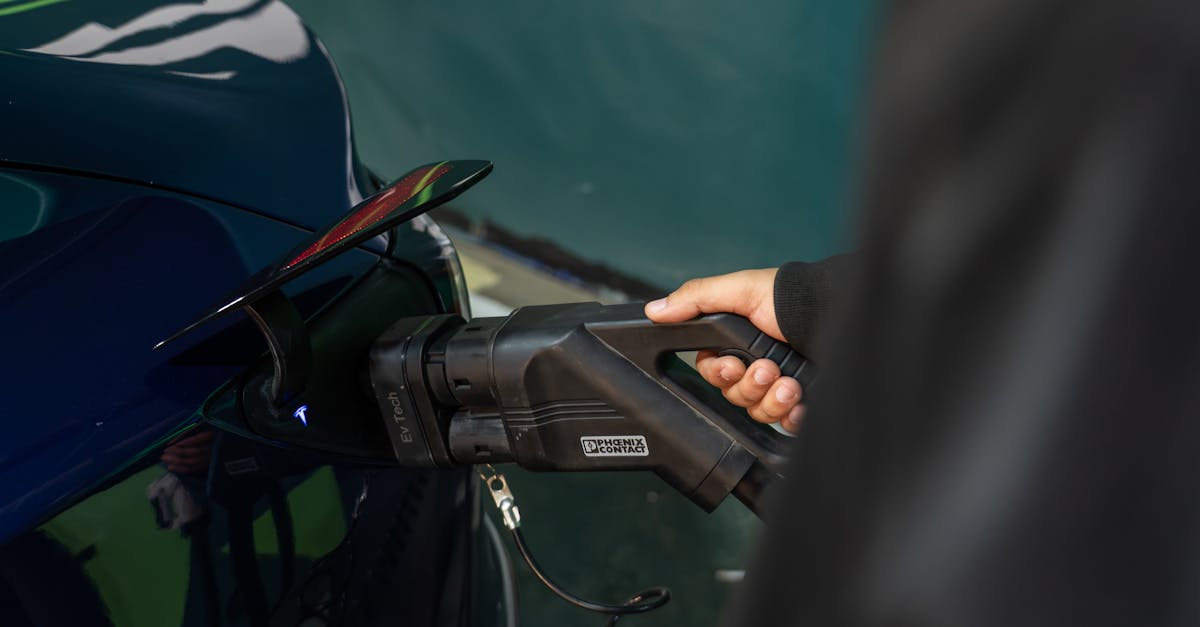
Picture this: you’re on a long EV road trip, range anxiety creeping in, and the charging station ahead has a line of cars. You dread the 30-45 minute wait, scrolling through your phone, wishing you could just get back on the road. What if, instead, you could pull into a station, and in under five minutes, a robot swapped out your depleted battery for a fully charged one, and you were off? Sounds like a dream, right?
This is the promise of battery swapping for electric vehicles, a technology that’s been tantalizingly close to widespread adoption for over a decade. Yet, despite its clear advantages in speed and convenience, it has consistently failed to gain significant traction with mainstream consumers and manufacturers. In my experience covering EV infrastructure for Voltdriveinsiders, the common narrative around battery swapping often overlooks the fundamental economic and technical hurdles that make it impractical for most drivers. It’s not just about the ‘idea’ being good; it’s about the intricate ecosystem of manufacturing, standardization, and consumer behavior that proves to be its undoing. The mistake I see most often is focusing purely on the speed benefit, without acknowledging the colossal infrastructure challenges that make it a non-starter for mass adoption. What changed everything for me was looking beyond the glossy press releases and delving into the real-world operational complexities.
Key Takeaways
- Battery swapping struggles due to a lack of standardization, making it incompatible across different EV models and manufacturers.
- The high capital investment required for swapping stations and battery inventory creates significant economic barriers to widespread deployment.
- Battery ownership complexities, including depreciation, varying health, and leasing models, deter both consumers and manufacturers.
- Niche applications, particularly for commercial fleets and urban mobility, offer a viable future for battery swapping where standardization and high utilization are achievable.
The Standardization Trap: Why One Size Doesn’t Fit All (or Even Most)
From the moment the concept of swappable EV batteries first gained serious attention, the biggest, most glaring obstacle has been a fundamental lack of standardization. Imagine buying a gas car where every manufacturer had a different fuel tank design, requiring a unique pump at every station. It’s absurd, right? Yet, this is precisely the problem battery swapping faces.
Battery packs are not just simple energy blocks; they are complex, structurally integrated components of an EV, designed specifically for a particular vehicle’s chassis, weight distribution, thermal management system, and power delivery needs. A battery designed for a sleek, low-slung sedan like a Tesla Model S will be vastly different from one needed for a rugged electric pickup truck or a compact urban delivery van. Dimensions, mounting points, voltage, cooling connections, communication protocols – all vary wildly. This means that a swapping station built for a Nio ET7 cannot service a Foton electric bus, let alone a future model from a different brand.
This fragmentation creates an insurmountable hurdle for mass adoption. No single company has the financial might or market dominance to dictate a universal battery standard that all other manufacturers would adopt. Manufacturers, fiercely competitive, see proprietary battery design as a core differentiator and a strategic advantage. It allows them to optimize their vehicles for specific performance metrics, cost targets, and design aesthetics. Convincing them to converge on a single, generic battery form factor would be like asking Apple, Samsung, and Google to all use the same internal components and operating system. It simply won’t happen.
The consequence? To make battery swapping widely available, you’d need a vast network of stations, each equipped with an array of different battery types and robotic systems to handle them. The capital expenditure for such a system is astronomical, and the operational complexity is a nightmare. It’s a logistical Gordian knot that no one has managed to untangle, and in my opinion, it’s the primary reason why battery swapping remains a fringe solution.
The Capital Crunch: Why Building a Swapping Network is an Economic Black Hole
Beyond the technical headache of standardization, the sheer economic burden of establishing a battery swapping network is staggering. This isn’t just about building a charging station; it’s about constructing a high-tech facility that can autonomously remove and install heavy, volatile, and expensive battery packs, along with storing and managing a substantial inventory of fully charged batteries.
Let’s break down the costs:
- Real Estate: Swapping stations require a significant footprint, often larger than a typical fast-charging station, to accommodate the automated equipment, battery storage, and vehicle maneuvering space. Prime locations are expensive.
- Infrastructure & Equipment: The robotic arms, lifting mechanisms, battery racks, sophisticated sensors, and climate-controlled storage for batteries represent a massive upfront investment. These aren’t off-the-shelf components; they are custom-engineered systems.
- Battery Inventory: This is arguably the biggest capital sink. For every EV on the road using a swapping network, you need at least two battery packs – one in the car and one or more in the swapping station ready for exchange. Given that an EV battery can cost tens of thousands of dollars, a single station serving a few dozen vehicles would require an inventory worth millions. Scaling this to a national or international network quickly pushes the numbers into the tens or even hundreds of billions. This enormous capital outlay, coupled with the inevitable battery degradation over time, makes the economics incredibly challenging.
- Operational Costs: Beyond the initial build, these stations need power, maintenance, skilled technicians for calibration and repair, and sophisticated software for battery health monitoring and inventory management. The energy costs of keeping hundreds of batteries charged and ready are also substantial.
Traditional fast-charging infrastructure, while also expensive, primarily involves the charging hardware and grid connection. The ‘fuel’ (electricity) is bought as needed. With battery swapping, you’re essentially pre-buying and storing the fuel itself, at a massive scale. Investors are understandably wary of pouring billions into a system with unproven widespread demand and significant technological hurdles, especially when current fast-charging technology continues to improve, making the conventional approach increasingly viable.
The Ownership Conundrum: Whose Battery Is It Anyway?
One of the touted benefits of battery swapping is the potential to separate battery ownership from vehicle ownership. This could theoretically lower the upfront purchase price of an EV, making it more accessible. However, in practice, this creates a host of complex issues that deter both consumers and manufacturers.
For the Consumer:
- Battery Health & Degradation: If you don’t own the battery, how do you know the one you’re swapping into your car is in good health? Will you get a ‘lemon’ with significantly less range or lifespan? How are battery health metrics communicated? Consumers are rightly concerned about getting a degraded battery, especially if they are paying a monthly subscription for swapping services. The value proposition of a lower upfront cost can quickly erode if you’re constantly swapping for sub-par units.
- Leasing vs. Ownership: Companies like Nio have implemented battery-as-a-service (BaaS) models where customers lease the battery. While this lowers the purchase price, it introduces an ongoing monthly fee that, over the vehicle’s lifetime, could exceed the cost of simply buying the battery outright. It also complicates resale value, as a buyer would need to assume the battery lease.
- Psychological Barrier: Many consumers prefer to own their vehicle outright, including all its major components. The idea of not owning the most expensive part of their EV, and constantly exchanging it, can be a significant psychological barrier.
For the Manufacturer (and Network Operator):
- Tracking & Management: Managing a vast pool of batteries, tracking their individual health, charge cycles, and degradation across an entire network, is an immense logistical challenge. Who performs routine maintenance on these batteries? Who is liable if a swapped battery fails catastrophically?
- Depreciation & Residual Value: Batteries degrade over time, losing capacity and value. This means the swapping network operator is constantly holding a depreciating asset. Accurately pricing the value of a swap or a BaaS subscription becomes incredibly complex when accounting for this degradation across a diverse fleet of batteries.
- Technology Lock-in: By outsourcing battery ownership and management, manufacturers lose a degree of control over a critical component, potentially hindering future vehicle design and innovation. They become reliant on the swapping network operator for a core part of their product’s functionality.
These complexities turn what seems like a simple solution (just swap it!) into a financial and logistical quagmire. The ‘whose battery is it anyway?’ question has no easy or universally appealing answer, which is a major reason why this model hasn’t taken off globally.
The Niche Solution: Where Battery Swapping Can Actually Work
Given the formidable challenges, is battery swapping doomed to perpetual failure? Not entirely. While it struggles to find a place in the general consumer market, there are specific, highly controlled environments where its advantages shine and its inherent limitations can be mitigated. This is the strategic niche that, in my professional opinion, offers a viable future for this technology.
- Commercial Fleets: This is the sweet spot. Think about urban delivery vans, taxis, ride-sharing fleets, or even municipal vehicles. These operations often have:
- High Utilization: Vehicles are constantly on the road, needing quick turnarounds to maximize operational efficiency. Swapping beats charging for uptime.
- Homogeneous Fleets: A single company often operates a large number of identical vehicles. This solves the standardization problem entirely – the operator dictates the vehicle and battery type, building a private, closed-loop swapping ecosystem.
- Centralized Depots: Vehicles return to a central depot or a few key hubs, where a swapping station can be located and managed efficiently. This avoids the need for a vast public network.
- Predictable Schedules: Energy consumption and return times are often highly predictable, allowing for optimized battery charging and inventory management.
In such scenarios, the capital investment for a swapping station and battery inventory becomes a justifiable operational expense that directly contributes to increased fleet efficiency and reduced downtime. Companies like Gogoro, focused on electric scooters and urban mobility in Asia, exemplify this model, creating dense, accessible swapping networks for specific, standardized vehicle types. Nio also finds success with its swapping stations by catering to its own vehicles, essentially creating a proprietary fleet experience for private owners who opt into their BaaS model.
- Specialized Industrial Applications: Consider electric forklifts in a large warehouse, electric mining vehicles, or automated guided vehicles (AGVs) in a factory. These are highly controlled environments where:
- Continuous Operation is Critical: Downtime is extremely costly.
- Fixed Routes/Operating Areas: Vehicles operate within a defined zone.
- Internal Standardization: The vehicles and batteries are likely sourced from a single vendor or are custom-designed for the specific application.
Here, the benefits of instant energy replenishment significantly outweigh the costs and complexities, as the environment naturally addresses the standardization and network challenges. The key distinction is the controlled environment and homogeneity of the fleet, which removes the most significant barriers to entry that plague public consumer swapping.
For battery swapping to truly succeed, it needs to stop trying to be a universal solution for every EV owner and instead focus on these targeted applications where its unique advantages align perfectly with operational needs. This strategic shift from ‘mass market’ to ‘niche utility’ is what will ultimately dictate its future success.
The Future of Fast Charging: Why Swapping’s Competition is Getting Fiercer
The ongoing advancements in fast-charging technology present an ever-growing threat to battery swapping’s already limited viability. While the promise of a sub-five-minute battery swap is enticing, the reality of high-power DC fast charging is rapidly closing that gap for most drivers, without the immense complexities and costs of a swapping infrastructure.
Consider these developments:
- Higher Charging Powers: New charging standards and EV architectures (like 800V systems) are pushing charging powers well beyond 350 kW, with 500 kW and even 1 MW chargers on the horizon. This means adding hundreds of miles of range in under 10-15 minutes is becoming increasingly common. For most people, a quick coffee break or bathroom stop aligns perfectly with this timeframe.
- Improved Battery Chemistry & Thermal Management: Battery technology itself is evolving, allowing for faster charging rates without excessive heat generation or degradation. Active cooling systems in modern EVs keep batteries in their optimal temperature window, enabling sustained high-power charging.
- Charging Curve Optimization: EV manufacturers are continually refining their charging curves, allowing vehicles to maintain higher charging speeds for longer durations, further reducing overall charging times.
- Ubiquitous Infrastructure: Building conventional fast-charging stations, while still costly, is significantly less capital-intensive and logistically complex than building swapping stations. This has led to a much broader and faster deployment of charging points globally. The more chargers there are, the less perceived need for swapping.
- Standardization (for Charging): While not perfect, charging connectors (like CCS, NACS, and Chademo) have achieved far greater standardization than swappable batteries, allowing diverse vehicles to utilize the same charging infrastructure.
In essence, the ‘problem’ that battery swapping was designed to solve – long charging times – is steadily being eroded by the relentless progress in conventional charging technology. For a typical family car on a road trip, a 15-20 minute stop for an 80% charge is already acceptable for many, and that time is only going to decrease. The convenience premium for a ‘five-minute swap’ becomes harder to justify against the colossal investment and operational hurdles required to deliver it at scale. Unless charging times somehow hit an insurmountable wall, the economic and practical arguments for widespread battery swapping become weaker with each passing year.
The Battery Technology Conundrum: Rapid Evolution Undermines Fixed Systems
One of the silent killers of battery swapping’s mass adoption potential is the incredibly rapid pace of battery technology evolution. What seems like an advantage – easy upgrades to newer, better batteries – actually becomes a logistical and financial nightmare for a swapping network.
Consider the historical context: in the early days of EVs, battery technology was improving dramatically year over year. Range was doubling, energy density was increasing, and costs were plummeting. If you invested billions in a network of swappable batteries in 2012, those batteries would be woefully outdated and significantly less valuable just a few years later. The pace of change has slowed slightly, but innovations continue:
- Different Chemistries: We’ve seen shifts from NMC (Nickel Manganese Cobalt) to LFP (Lithium Iron Phosphate) for various applications, each with different characteristics in terms of energy density, cost, lifespan, and charging behavior. Future solid-state batteries or other advanced chemistries will introduce even more radical changes.
- Pack Design & Integration: Beyond chemistry, the physical design of battery packs (cell-to-pack, blade batteries, structural batteries) is constantly being optimized for weight, space, safety, and cooling. This directly impacts the ‘swappable’ form factor.
- Software & BMS: The Battery Management System (BMS) is crucial for safety and performance, and it’s tightly integrated with both the battery hardware and the vehicle’s overall electronics. A generic swappable battery would need to be compatible with a vast array of BMS and vehicle software, or a ‘smart’ swapping system would need to adapt, adding layers of complexity.
For a public swapping network, this rapid evolution creates a massive problem of backward compatibility and inventory obsolescence. If a new, significantly better battery comes out, does the network upgrade its entire inventory? Who bears that cost? Do older vehicles become incompatible with newer, more efficient batteries, or vice-versa? What happens to the residual value of the massive inventory of ‘older generation’ batteries? These are not minor concerns; they represent a continuous, multi-billion-dollar headache.
In contrast, individual EV owners benefit from these advancements when they purchase a new vehicle. The onus of managing technological obsolescence rests on the consumer’s upgrade cycle, not on a centralized, highly capital-intensive infrastructure. This fundamental disconnect between the rapid, decentralized evolution of battery technology and the need for a stable, standardized, and slow-to-change swapping infrastructure is a core reason why battery swapping, for the mass market, is a square peg in a round hole.
Frequently Asked Questions
Q: Is battery swapping completely dead for consumer EVs?
A: For widespread, multi-manufacturer consumer adoption, yes, it faces near-insurmountable hurdles. However, for specific brands like Nio, which maintains a proprietary system for its vehicles and offers battery-as-a-service, it functions as a premium, niche offering. It’s not dead, but it’s not the future of mass consumer EV charging.
Q: Why do some companies still invest in battery swapping if it has so many challenges?
A: The primary motivation is to overcome perceived charging limitations and offer unparalleled convenience, aiming to differentiate in a competitive market. For companies like Nio, it’s a core part of their brand identity and value proposition, allowing for lower upfront car costs and easy upgrades. For commercial fleets, the operational efficiency gains can outweigh the investment.
Q: How much faster is battery swapping compared to fast charging today?
A: Battery swapping can take as little as 3-5 minutes. The fastest DC fast chargers can add 100-200 miles of range in 10-15 minutes, with charging speeds continually improving. While swapping is still faster, the gap is narrowing significantly for practical purposes, especially for typical driving needs.
Q: Does battery swapping extend battery life?
A: Potentially. Swapping stations can employ optimal slow charging techniques and temperature control for the batteries in their inventory, which can be less stressful than repeated high-power DC fast charging directly in the vehicle. However, the benefits are debated and depend heavily on the specific management protocols of the swapping network.
Q: What are the main safety concerns with battery swapping?
A: Safety is a critical concern, mainly due to the high voltage and weight of EV batteries. Automated systems must ensure secure locking mechanisms and precise handling to prevent accidents. The risk of thermal events (fires) during handling or storage also necessitates robust fire suppression and safety protocols, adding to the complexity and cost.
In conclusion, while the allure of an instant ‘refuel’ for electric vehicles is powerful, the reality of battery swapping for the mass consumer market is fraught with fundamental challenges. The lack of universal standardization, the staggering capital investment, and the complex ownership logistics create a perfect storm of obstacles that conventional fast-charging is simply better equipped to navigate. However, to write off battery swapping entirely would be to miss its potential in targeted, controlled environments. For commercial fleets and specialized industrial applications, where homogeneity and high utilization override the complexities, battery swapping can offer genuine, game-changing efficiencies. As an industry, we must recognize that not every brilliant idea is a universal solution, and sometimes, the smartest path forward is to find the right niche for a powerful technology. If you’re considering an EV and think battery swapping is the answer, dig deeper into your actual driving needs and evaluate the charging infrastructure that truly serves the majority of drivers.
Mark Harrison
Charging & Range Analysis