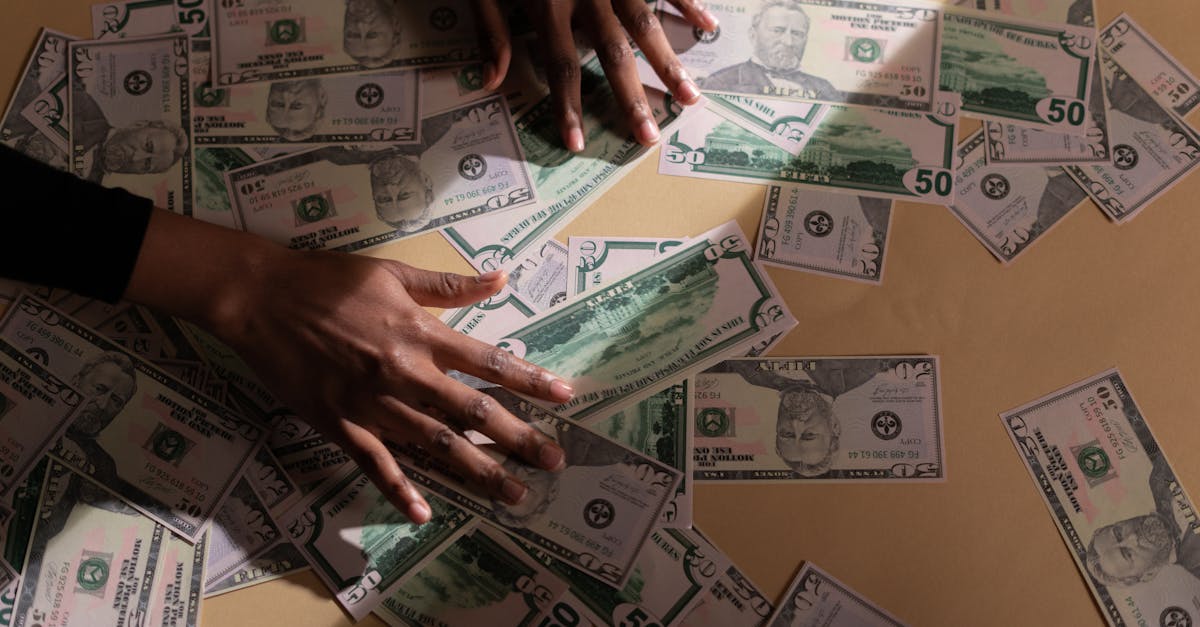
Why a 'Scarcity Mindset' Is Secretly Draining Your Finances (And How to Cultivate Abundance Instead)
Have you ever found yourself constantly worrying about money, even when you have enough? Do you feel a nagging fear that there won’t be enough, no matter how much you earn or save? Perhaps you hesitate to invest in yourself or your future, always opting for the cheapest option, or you find it hard to celebrate financial wins because the next ‘what if’ is already looming. If this sounds familiar, you’re likely experiencing the subtle, insidious drain of a scarcity mindset on your finances.
I’ve seen this play out countless times, not just in my own life but in the lives of clients and friends. It’s a deeply ingrained way of thinking that often masquerades as ‘being responsible’ or ‘frugal,’ but in reality, it keeps us stuck in a cycle of fear, missed opportunities, and under-earning. The truth is, how you think about money has a far greater impact on your financial well-being than most traditional budgeting advice gives credit for. You can meticulously track every dollar, but if your underlying beliefs about money are rooted in scarcity, you’ll constantly be fighting an uphill battle. What changed everything for me, and for many I’ve guided, was recognizing this invisible force and actively working to cultivate an abundance mindset instead.
Key Takeaways
- A scarcity mindset creates a cycle of fear and missed opportunities, regardless of your actual financial situation.
- True financial success starts with identifying and challenging your deeply ingrained beliefs about money.
- Shifting to an abundance mindset involves focusing on growth, value, and strategic investment, not just strict cutting.
- Practical strategies like gratitude, reframing spending, and celebrating small wins can significantly alter your financial reality.
The Subtle Ways Scarcity Undermines Your Earning Potential
Many people associate a scarcity mindset with simply not having enough money. But it’s far more insidious than that. It’s a belief that there isn’t enough, and it manifests in ways that actively hinder your financial growth, even when opportunities abound. In my experience, the mistake I see most often is people refusing to invest in themselves because they view it as an unnecessary ‘expense’ rather than a potential return. Consider Sarah, a talented graphic designer who consistently underbid on projects because she feared potential clients would say no. She was so worried about not getting the job that she actively devalued her own work, leaving thousands of dollars on the table each year. Her scarcity mindset told her, “Any money is better than no money,” even if it meant working for pennies.
Another common manifestation is the aversion to calculated risks. A person with a scarcity mindset might hoard cash, afraid to invest in stocks, real estate, or even a high-yield savings account, because they’re terrified of losing even a single dollar. While prudence is wise, this goes beyond prudence; it’s a paralysis that prevents growth. They’ll pass up opportunities to earn more interest or gain significant returns, choosing instead the ‘safety’ of inflation-eroded cash. This fear isn’t about actual risk, but a perceived, exaggerated risk fueled by the belief that any loss is catastrophic because resources are finite. What changed everything for me was realizing that true financial security isn’t about avoiding all risk, but about understanding and strategically managing it to foster growth.
Why ‘Frugality’ Can Be a Scarcity Trap (and When It’s Actually Smart)
Let me be clear: I am not advocating for reckless spending. Frugality, when applied thoughtfully, is an invaluable tool for financial health. It’s about being mindful of your resources and making intentional choices. However, a scarcity mindset often twists frugality into a detrimental trap, pushing people to cut corners in ways that cost them more in the long run. The hidden cost of this kind of ‘frugality’ that nobody talks about is the opportunity cost.
For example, I’ve observed countless individuals spending hours clip-couponing for a few dollars’ savings at the grocery store, yet they wouldn’t spend 30 minutes learning a new skill that could increase their income by hundreds. Or they’ll buy the absolute cheapest tool, knowing it will break in a year, only to replace it repeatedly, rather than investing in a quality item that lasts a decade. This isn’t frugality; it’s a scarcity-driven decision to save pennies while losing dollars in time, frustration, and repeated purchases. True financial wisdom lies in discerning between costs that genuinely conserve resources and those that hinder long-term prosperity. My perspective is that sometimes, spending more strategically is the most frugal choice you can make, especially when it saves time, reduces future headaches, or generates greater value.
Reframing Your Financial Story: From Lack to Possibility
Our financial narratives are deeply ingrained, often shaped by childhood experiences, societal messages, and past setbacks. If your internal monologue constantly defaults to thoughts like “I’ll never have enough” or “Money is hard to come by,” you’re actively reinforcing a scarcity mindset. The first step towards cultivating abundance is to consciously identify and challenge these narratives.
Start by paying attention to the language you use around money. Do you say, “I can’t afford that,” or “How can I afford that?” The subtle shift in phrasing from a statement of fact to a question of possibility opens up entirely new avenues for problem-solving and creative thinking. Instead of immediately shutting down an idea due to perceived cost, ask yourself: “What resources do I already have that could help me achieve this?” or “What steps could I take to make this a reality?”
I encourage clients to literally write down their limiting beliefs about money. For instance, “Making good money requires working excruciatingly long hours.” Then, for each belief, challenge it with a counter-argument backed by evidence, even small pieces. “I know people who work reasonable hours and are well-compensated because they provide unique value.” This active process of reframing helps dismantle years of conditioning and creates space for new, empowering beliefs. What changed everything for me was understanding that my thoughts about money were not facts, but interpretations, and I had the power to change those interpretations.
Practical Steps to Cultivate an Abundance Mindset Today
Shifting from scarcity to abundance isn’t an overnight transformation; it’s a consistent practice. Here are concrete actions you can take, starting today, to re-wire your financial thinking:
Practice Financial Gratitude: Every day, take 5 minutes to list three specific things you are grateful for related to money or resources. It could be the hot coffee you’re drinking, the roof over your head, a stable job, or a recent small income. This isn’t about ignoring financial challenges but about consciously acknowledging the resources you do have, training your brain to see sufficiency instead of just lack. In my experience, this simple practice can dramatically shift your emotional state around money.
Invest in Your Value: Stop viewing spending on personal development, education, or tools that enhance your skills as mere expenses. If a course or certification could realistically increase your earning potential by 10-20% in the next year, it’s an investment, not a cost. Similarly, outsourcing tasks that drain your time and energy (e.g., house cleaning, certain business tasks) frees you up to focus on higher-value activities. Calculate the ROI, don’t just see the price tag.
Celebrate Small Wins: Did you pay off a small debt? Get a raise, however minor? Save an extra $50 this month? Acknowledge and celebrate these victories. This positive reinforcement trains your brain to associate positive emotions with financial progress, breaking the cycle of constant worry and reinforcing the belief that you can achieve your financial goals. The mistake I see most often is people only focusing on the ‘big’ financial milestones, overlooking the critical role of these smaller successes.
Adopt a “How Can I?” Mentality: When faced with a desired purchase or goal, instead of automatically saying “I can’t afford it,” challenge yourself with “How can I afford this?” or “What creative ways could I make this happen?” This fosters resourcefulness and problem-solving, opening doors you might have previously shut due to a knee-jerk scarcity reaction. This proactive approach cultivates an entrepreneurial spirit towards your own finances.
Frequently Asked Questions
Q: Isn’t an abundance mindset just wishful thinking that ignores reality?
A: Not at all. An abundance mindset isn’t about ignoring financial challenges or being reckless. It’s about approaching those challenges with a belief in your ability to overcome them and actively seeking solutions, rather than being paralyzed by fear. It acknowledges the reality of your current situation while focusing your energy on growth, opportunities, and what’s possible, rather than dwelling on limitations.
Q: How long does it take to shift from a scarcity to an abundance mindset?
A: It’s a continuous journey, not a destination. You’ll likely have moments of scarcity thinking throughout your life. However, with consistent practice of gratitude, reframing, and intentional financial actions, you can start to feel a significant shift in your perspective and financial confidence within a few weeks to a few months. The key is consistent effort and self-awareness.
Q: Can I practice an abundance mindset if I’m currently struggling financially?
A: Absolutely, and it’s arguably even more crucial when you’re struggling. When resources are genuinely tight, a scarcity mindset can lead to despair and inaction. An abundance mindset, in this context, empowers you to look for creative solutions, new income streams, and opportunities for support, rather than feeling trapped. It focuses on finding the path forward, even if it’s a small step.
Q: What’s the biggest difference between a scarcity and an abundance mindset?
A: The core difference lies in perception and focus. A scarcity mindset perceives limitations, focuses on what’s lacking, and operates from fear. An abundance mindset perceives possibilities, focuses on resources and opportunities, and operates from a place of gratitude and belief in growth. It’s about viewing the glass as half full and believing you can refill it, rather than just seeing it as half empty.
Q: Does an abundance mindset mean I should spend freely and not save?
A: Absolutely not. An abundance mindset promotes smart, strategic use of resources, which includes saving and investing for your future. It encourages thoughtful spending on things that align with your values and contribute to your growth, rather than impulsive buying or feeling deprived. It’s about purposeful financial choices that lead to long-term prosperity, not just instant gratification.
Understanding and shifting your money mindset is arguably the most powerful financial tool you possess. It’s not about magic; it’s about aligning your internal beliefs with your external actions to create a cycle of growth, opportunity, and genuine financial well-being. Start by acknowledging where scarcity might be holding you back, then consciously begin to cultivate gratitude and explore the possibilities that an abundance mindset offers. Your financial future isn’t just about the numbers in your bank account; it’s fundamentally shaped by the story you tell yourself about those numbers. What story will you choose to tell? Take the first step today by identifying one scarcity belief you hold and actively challenging it.
Written by Mark Harrison
Personal Finance & Well-being
A retired high school principal, Mark excels at distilling complex information into easily understandable advice.
You Might Also Like

The Hidden Cost of Subscription Creep That Nobody Talks About
Subscription creep isn't just about money; it's about decision fatigue and lost time. Learn why this silent drain impacts your life and how to reclaim control.

Why Financial Decision Fatigue is Draining Your Wallet (And How to Simplify)
Financial decision fatigue costs you more than time. Learn why making too many money choices saps your willpower and how to simplify your financial life for better outcomes.
Why Financial Decision Fatigue is Draining Your Wallet (And How to Simplify)
Discover how financial decision fatigue impacts your money and simple strategies to streamline your financial choices and boost your well-being.